
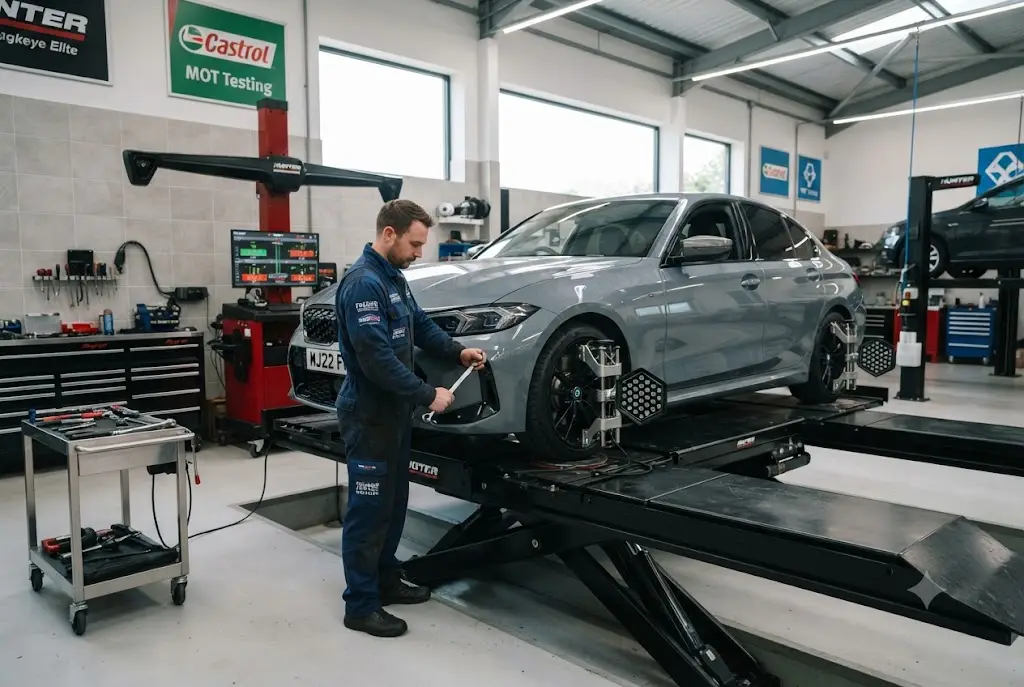
Tyre alignment plays a crucial role in vehicle safety, handling, fuel efficiency, and tyre longevity. Many drivers only think about tyres when replacing them, but proper alignment ensures those tyres wear evenly and perform as intended. Even a slight alignment issue can lead to uneven tread wear, poor steering response, and higher running costs.
Whether you’ve recently hit a pothole, replaced suspension components, or noticed your vehicle pulling to one side, professional tyre alignment services can restore proper handling and help protect your investment in new tyres.
What Is Tyre Alignment?
Tyre alignment refers to adjusting the angles of a vehicle’s wheels according to manufacturer specifications. The goal is to ensure all wheels point in the correct direction and make proper contact with the road surface.
When alignment is correct, the vehicle drives straight, tyres wear evenly, and steering performance remains predictable.
Tyre alignment is often referred to as wheel tracking, tracking adjustment, or wheel geometry adjustment.
Why Tyre Alignment Is Important
Many vehicle owners underestimate the impact of alignment on overall driving performance. Incorrect alignment can affect multiple areas of vehicle operation.
- Uneven tyre wear
- Reduced fuel efficiency
- Poor steering control
- Vehicle pulling to one side
- Reduced tyre lifespan
- Higher maintenance costs
- Less comfortable driving experience
Regular alignment checks help identify issues before they become expensive repairs.
Common Signs Your Vehicle Needs Tyre Alignment
Several warning signs indicate that tyre alignment may be required.
- Vehicle drifts left or right
- Steering wheel sits off-centre
- Uneven tread wear
- Steering feels unstable
- Reduced cornering performance
- Tyres wear out faster than expected
If you notice any of these symptoms, arranging a professional inspection as soon as possible is advisable.
Tyre Alignment vs Wheel Balancing
Drivers often confuse alignment and balancing, but they are different services.
Tyre alignment adjusts wheel angles, while wheel balancing ensures weight is distributed evenly around each wheel and tyre assembly.
Both services work together to improve comfort, tyre life, and vehicle performance.
Wheel Alignment and Balancing Explained
Professional workshops frequently recommend wheel alignment and balancing together because they address different causes of tyre wear and handling problems.
Alignment corrects wheel positioning, while balancing eliminates vibration caused by uneven weight distribution.
Combining both services often produces the best results for vehicle stability and tyre longevity.
Tyre Balancing and Alignment: Why They Work Together
Many drivers schedule tyre balancing and alignment whenever new tyres are installed. This approach ensures maximum performance from the new tyres and helps prevent premature wear.
Proper balancing reduces vibration, while correct alignment ensures the tyres contact the road surface evenly.
Together, these services support safer driving and lower long-term maintenance costs.
Understanding Wheel Alignment Wheel Balancing Services
Modern service centres use advanced computerised equipment to perform wheel alignment wheel balancing procedures with exceptional accuracy.
Technicians measure wheel angles, compare them against manufacturer specifications, and make adjustments where necessary. They also balance wheels using specialised machinery that detects weight imbalances.
The result is smoother handling, improved comfort, and better tyre performance.
What Is Car Tyre Balancing?
Car tyre balancing involves distributing weight evenly across the tyre and wheel assembly.
Even small weight differences can create noticeable vibrations at higher speeds. During balancing, technicians attach small balancing weights to the wheel to achieve optimal weight distribution.
Symptoms of poor balancing may include:
- Steering wheel vibration
- Uneven tyre wear
- Vehicle vibration at motorway speeds
- Reduced ride comfort
How Car Wheel Balancing Improves Performance
Car wheel balancing contributes to a smoother driving experience and helps protect suspension components from unnecessary stress.
Balanced wheels can improve:
- Driving comfort
- Tyre lifespan
- Suspension longevity
- Steering precision
- Fuel efficiency
For drivers covering high annual mileage, regular balancing checks can provide long-term savings.
Wheel Balancing in Automobile Maintenance
Wheel balancing in automobile maintenance programmes is considered a standard service because of its impact on tyre wear and ride quality.
Most experts recommend checking wheel balance whenever tyres are replaced, repaired, or removed from the vehicle.
Routine balancing also helps identify potential tyre or wheel defects before they develop into larger problems.
Tracking and Wheel Alignment Explained
The phrase tracking and wheel alignment is commonly used interchangeably in the UK automotive industry.
Tracking refers to the direction the wheels point relative to each other and the vehicle’s centreline. Incorrect tracking can quickly cause excessive tyre wear and steering issues.
Professional alignment services measure and correct these angles using specialised equipment.
Wheel Tracking and Alignment After New Tyres
Many experts recommend wheel tracking and alignment checks after fitting new tyres. Installing new tyres without correcting existing alignment issues can result in uneven wear developing much sooner than expected.
Drivers investing in new tyres should consider combining alignment checks with professional tyre fitting services to maximise tyre lifespan.
How Alignment Affects Tyre Repair Costs
Poor alignment is one of the leading causes of premature tyre wear. Tyres that wear unevenly become more vulnerable to damage and may require replacement earlier than expected.
Regular alignment inspections can help reduce future expenses associated with tyre repair costs and puncture-related issues.
Preventive maintenance is often far more affordable than replacing damaged tyres prematurely.
The Connection Between Alignment and Braking Performance
Wheel alignment affects more than tyre wear. It can also influence vehicle stability during braking.
A vehicle with severe alignment issues may not respond predictably during emergency manoeuvres. For optimal safety, alignment checks should be combined with regular service brake inspections and maintenance.
Healthy tyres, correct alignment, and effective braking systems work together to improve road safety.
When Should You Get a Tyre Alignment Check?
Vehicle manufacturers and tyre specialists generally recommend alignment inspections:
- After hitting a pothole
- After suspension repairs
- After installing new tyres
- When steering problems appear
- At routine service intervals
- When unusual tyre wear is noticed
Frequent motorway driving and poor road conditions can increase the need for alignment checks.
Choosing a Professional Alignment Service
When selecting a tyre alignment provider, look for:
- Computerised alignment equipment
- Qualified technicians
- Transparent pricing
- Positive customer reviews
- Detailed inspection reports
- Experience with your vehicle type
A professional workshop should provide before-and-after measurements and explain any adjustments made.
Final Thoughts
Tyre alignment is one of the most effective ways to improve vehicle handling, extend tyre life, and reduce long-term running costs. Combined with wheel balancing, tyre maintenance, and regular inspections, alignment helps ensure your vehicle remains safe and efficient on UK roads.
By addressing alignment issues early, drivers can avoid premature tyre replacement, improve fuel economy, and enjoy a smoother, more predictable driving experience.