
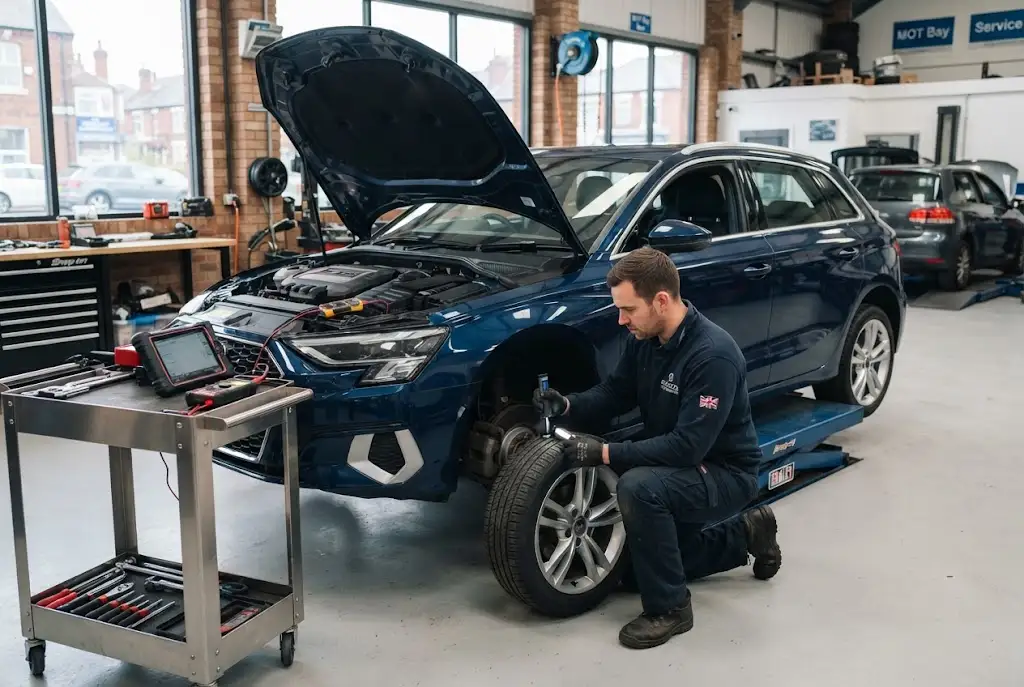
A vehicle health check is a useful way for UK drivers to identify developing problems before they become more serious or inconvenient. Unlike a routine visual check carried out by a driver, a professional inspection can assess important areas such as brakes, tyres, lights, fluids, battery and other vehicle components.
A car does not always provide an obvious warning before a component needs attention. A health check can therefore be particularly useful before a long journey, before winter, after purchasing a used vehicle or whenever something about the car does not feel quite right.
What Is a Vehicle Health Check?
A vehicle health check is a general inspection designed to assess the condition and operation of important vehicle systems. The exact checks vary between garages and service providers, so drivers should confirm what is included before booking.
A typical inspection may look at safety-critical components and common maintenance items. Depending on the provider, this can include tyres, brakes, lights, fluid levels, battery condition, windscreen and wipers, suspension and visible engine components.
The purpose is not necessarily to replace a full service or MOT. Instead, a health check can provide an additional snapshot of the vehicle’s condition and highlight areas that may require further investigation.
Why Should You Book a Car Health Check?
Many vehicle faults develop gradually. Drivers can become accustomed to small changes, such as a slight vibration, longer braking distance or a noise that was not present previously.
A professional car health check gives you an opportunity to have these concerns assessed before they potentially develop into larger problems.
It can also be useful when there is no obvious fault. For example, someone preparing for a long motorway journey may want reassurance that the vehicle’s basic safety and maintenance items have been checked.
What Does a Health Check Car Inspection Cover?
The contents of a health check car inspection depend on the garage, but several areas are commonly assessed.
Tyres
Tyres are essential for braking, steering and maintaining contact with the road. A health inspection may check tread condition, visible damage and inflation pressure.
Drivers should also understand that tread depth is only one part of tyre condition. Cracks, bulges, uneven wear and other visible defects can indicate a problem that requires professional attention.
Brakes
Brake components can be checked for visible wear and other signs of deterioration. Depending on the inspection, this may include brake pads, discs, fluid and other accessible components.
If you notice grinding, squealing, vibration or a change in braking performance, do not wait for a routine health check. Arrange an appropriate inspection as soon as practical.
Lights
Headlights, brake lights, indicators, reversing lights and other required lighting can be checked as part of a general vehicle inspection.
Working lights are particularly important during winter, when shorter daylight hours and poor weather can reduce visibility.
Fluids
Fluid levels and visible signs of leakage may also be checked. Depending on the vehicle, these can include engine oil, coolant, brake fluid and screenwash.
Low fluid levels can have different causes. A mechanic may recommend further investigation if a fluid repeatedly falls below the expected level.
Battery and Electrical System
Battery condition can be particularly relevant if the vehicle has shown signs of slow starting or repeated discharge.
If the inspection identifies an electrical concern, a dedicated car auto electrics diagnostic service may be appropriate for more detailed testing.
Windscreen and Wipers
The windscreen should provide a clear view of the road, while wiper blades need to clear water effectively. Chips, cracks and worn wipers can become more problematic during poor weather.
Free Vehicle Health Check: What Should You Expect?
A free vehicle health check may be offered by some garages as a customer service or promotional inspection. However, “free” does not necessarily mean that every possible component will be examined.
Before booking a free inspection, ask what the check actually includes. A useful checklist should be clear enough for you to understand which areas will be inspected and whether the provider will give you a written report or recommendations afterwards.
It is also important to distinguish between an inspection and a repair. A health check can identify a potential problem, but additional work may involve a separate quotation.
Free Car Health Check Before a Long Journey
A free car health check can be particularly appealing before a long journey. However, drivers should not rely solely on a promotional check immediately before setting off.
Check your vehicle yourself as well. Tyre pressures, fuel or charging levels, screenwash, lights and visible tyre condition are simple areas that can be reviewed before travelling.
If the vehicle has recently developed a warning light, unusual noise or handling issue, arrange a proper inspection rather than assuming a basic check will resolve the concern.
Free Car Safety Check: What Makes It Different?
A free car safety check generally focuses on components that can affect the safe operation of the vehicle. The exact scope varies between providers.
Safety-related areas may include tyres, brakes, lights, steering, suspension and visibility. However, drivers should confirm the actual checklist with the provider because there is no universal definition of a “free safety check”.
Even when a vehicle passes an MOT, routine maintenance remains important. An MOT is a legal roadworthiness test carried out according to specific inspection criteria; it is not a substitute for servicing or ongoing checks.
Vehicle Health Check vs MOT
A vehicle health check and an MOT serve different purposes.
An MOT assesses whether a vehicle meets the relevant legal standards at the time of the test. A health check is generally a broader maintenance-oriented inspection designed to identify issues and provide information about the vehicle’s condition.
Passing an MOT does not mean a car requires no maintenance until the next test. Components can wear between MOTs, while some maintenance issues may not fall within the MOT’s inspection criteria.
For this reason, UK drivers should treat routine maintenance, servicing, MOT testing and vehicle health checks as complementary rather than interchangeable.
Should You Get a Free Winter Car Check?
A free winter car check can be useful before the colder months because winter driving can place additional demands on vehicles. Lower temperatures, reduced daylight, wet roads and poor visibility can make existing weaknesses more noticeable.
During a winter inspection, drivers may want particular attention paid to:
- Tyre condition and pressure
- Battery condition
- Lights and indicators
- Windscreen and wipers
- Coolant and screenwash
- Brake condition
- Heating and demisting performance
A winter check does not eliminate the need for regular maintenance, but it can provide an opportunity to identify issues before severe weather arrives.
Why Winter Car Checks Matter
Winter car checks are especially useful for vehicles that are used heavily during dark mornings and evenings. A battery that seems adequate during mild weather may struggle when temperatures fall, while worn tyres or ineffective wipers can become more noticeable in wet conditions.
Drivers should also make sure the vehicle has appropriate screenwash for the season and that the windscreen can be cleared effectively.
If you are planning a long winter trip, consider having the car checked before departure rather than waiting until a warning light or mechanical problem appears.
Can a Vehicle Health Check Find Electrical Problems?
A general inspection can identify some obvious electrical issues, but it should not be confused with specialist electrical diagnostics.
Warning lights, repeated battery discharge, starting problems or intermittent electrical faults may require dedicated diagnostic equipment. In these circumstances, a specialist may need to inspect the charging system, wiring, sensors or control modules.
For example, a weak battery could be the result of battery deterioration, but it could also be caused by a charging-system fault. Further testing can help identify the underlying cause.
Can a Health Check Identify Engine Problems?
A health inspection may identify visible signs of engine problems, fluid leaks, unusual noises or warning lights. However, not every engine fault can be identified through a basic inspection.
If your vehicle has rough running, loss of power, persistent warning lights or unusual engine behaviour, you may need a diagnostic assessment rather than a general health check.
For petrol vehicles, ignition components such as spark plugs can also influence engine performance. Drivers can learn more about spark plugs replacement if an ignition-related problem is suspected.
Vehicle Health Check Before Buying a Used Car
A health inspection can be useful when purchasing a used vehicle, particularly when you want an independent assessment of its current condition.
A professional inspection may identify visible wear, fluid leaks, tyre issues, brake concerns or other problems that are not immediately obvious during a short test drive.
However, an inspection cannot guarantee that a used car will never develop a fault. It should form part of a wider buying process that includes checking documentation, service history, vehicle history and the car’s overall condition.
Reviewing the car service history can provide useful context about previous maintenance and repairs.
How Much Does a Vehicle Health Check Cost?
The cost varies according to the provider and the scope of the inspection. Some garages offer basic checks free of charge, while more comprehensive inspections may have a fee.
When comparing services, look beyond the headline price. A low-cost or free check may cover only a limited number of items, while a paid inspection may involve more detailed testing and reporting.
Ask what is included, whether you receive a written report and whether diagnostic work is charged separately.
What Happens After a Health Check?
If the inspection identifies no significant concerns, the provider may simply confirm that the checked areas appear satisfactory. If issues are found, you should receive recommendations for further action.
Not every advisory means an immediate repair is required. Some components may be showing early wear and can be monitored, while safety-critical defects should generally be addressed promptly.
Ask the technician to explain which items require immediate attention, which can be planned for later and what the expected repair costs are.
How Often Should You Have a Car Health Check?
There is no universal interval for a health check because the appropriate timing depends on the vehicle and the driver’s circumstances.
You may find an inspection useful:
- Before a long-distance journey
- Before winter
- After buying a used car
- When preparing a vehicle for sale
- After noticing a new warning sign
- When the car has been unused for a long period
- When you want an independent condition assessment
Routine servicing should still follow the vehicle manufacturer’s recommended schedule.
How to Prepare for a Vehicle Health Check
Before taking your car to a garage, make a note of any symptoms you have noticed. Include unusual noises, warning lights, changes in handling, starting problems or changes in fuel consumption.
Providing this information can help the technician focus the inspection and determine whether additional diagnostic work may be necessary.
It is also useful to bring relevant service information if available. Maintenance records can help establish when certain components were last inspected or replaced.
Frequently Asked Questions About Vehicle Health Checks
What is checked during a vehicle health check?
The exact checklist varies, but common areas include tyres, brakes, lights, fluids, battery, windscreen, wipers and visible vehicle components.
Is a vehicle health check the same as an MOT?
No. An MOT assesses specific legal roadworthiness requirements, while a health check is generally intended to assess the vehicle’s condition and identify maintenance concerns.
Can I get a free vehicle health check?
Some garages offer free checks, but the scope varies. Always ask what components are included before booking.
Should I have a winter car check?
A winter check can be useful before colder weather, particularly for assessing the battery, tyres, lights, visibility and other components that matter during winter driving.
Can a health check diagnose a warning light?
A basic inspection may identify the warning, but specialist diagnostic equipment may be required to establish the underlying cause.
Final Thoughts
A vehicle health check provides UK drivers with an opportunity to identify maintenance and safety concerns before they become unexpected problems. Whether you are preparing for a long journey, buying a used car or getting ready for winter, a professional inspection can provide useful information about the vehicle’s condition.
Free inspections can be worthwhile when their scope is clear, while more comprehensive checks may be appropriate when you need a detailed assessment. Remember that a health check does not replace servicing or an MOT, and any significant warning signs should be investigated properly.
Combining regular maintenance with sensible driver checks and timely professional inspections can help you identify developing issues earlier and keep your vehicle reliable throughout the year.