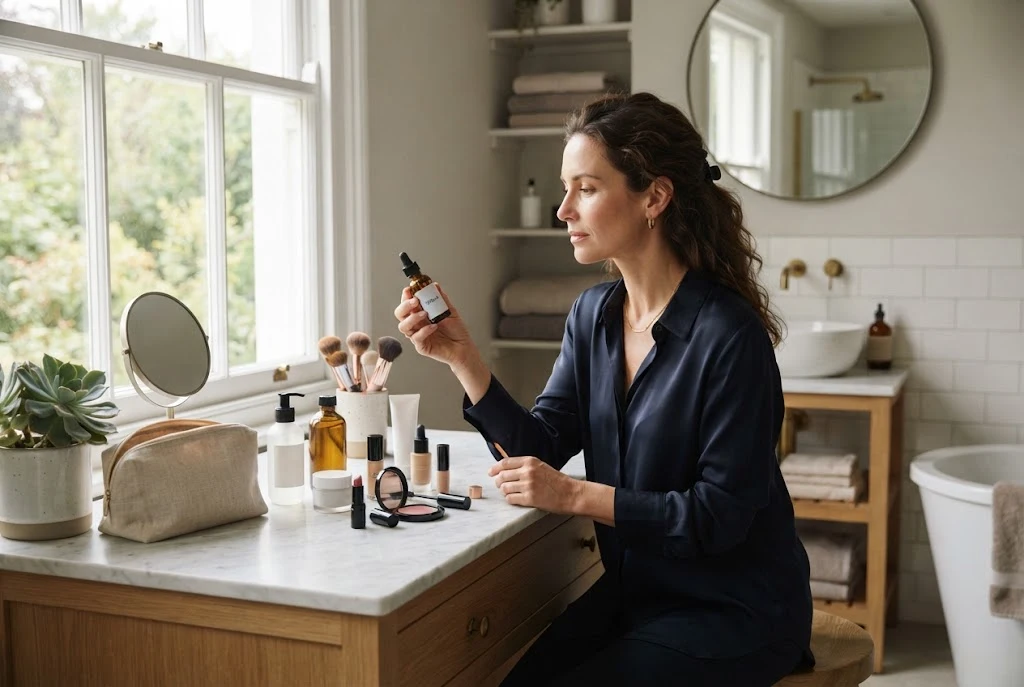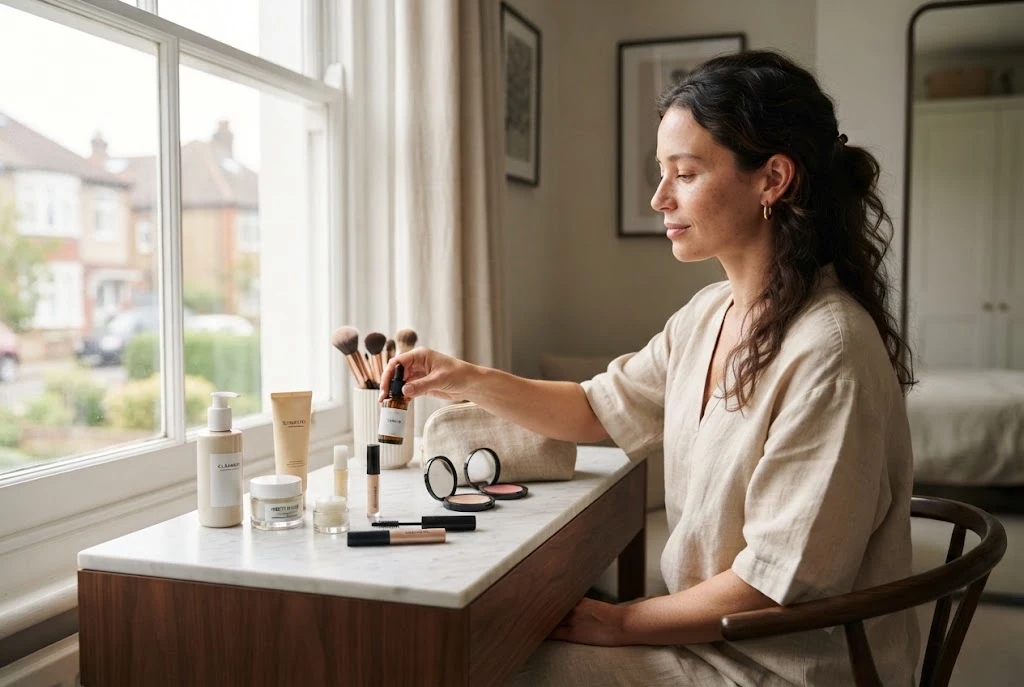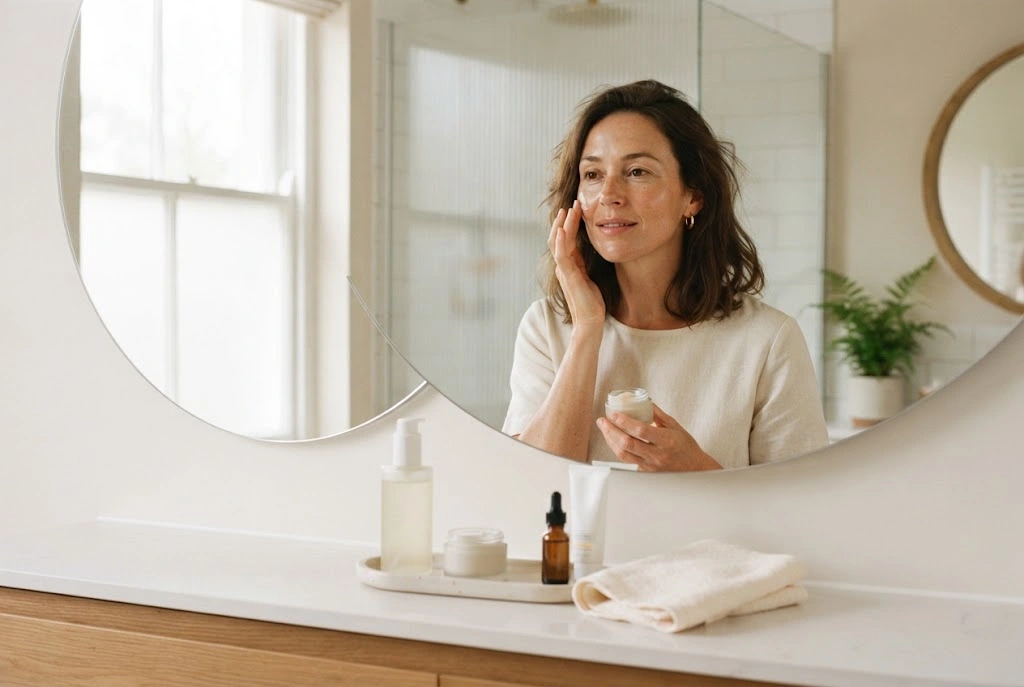
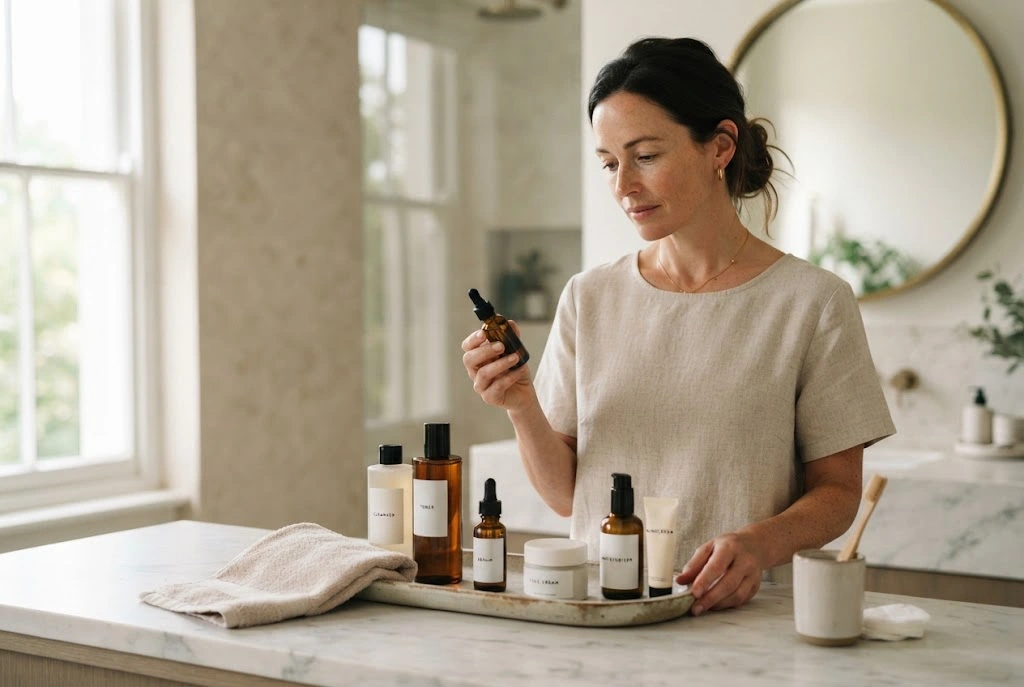
A skincare product guide can make choosing beauty products much easier when you are faced with cleansers, toners, serums, moisturisers, face creams and countless other options. Each product category has a different purpose, and understanding those differences can help you build a routine around your actual needs rather than buying products simply because they are popular.
For beginners, the most useful approach is to understand the basics first. You do not need a complicated routine containing every available product. A simple combination of suitable cleansing, moisturising and daytime sun protection can provide a practical foundation, while additional products can be introduced when there is a clear reason to use them.
If you are new to skincare altogether, our skincare for beginners guide provides a broader introduction to building an everyday routine.
What Is a Skincare Product Guide?
A skincare product guide explains the main categories of products used in everyday skincare and describes what each one is generally designed to do. It can help you understand the difference between a cleanser and toner, a moisturiser and serum, or a treatment and an everyday essential.
The purpose is not to suggest that everyone needs the same products. Skin varies considerably between individuals, and routines can also change according to lifestyle, environment and personal preferences.
Instead, understanding product categories gives you the knowledge needed to make more informed choices.
Skincare Products Explained: The Main Categories
Skincare products can be grouped according to their role in a routine. Some products clean the skin, others provide moisture, while additional products may be designed for specific skincare concerns.
The most familiar categories include cleansers, moisturisers, serums, toners, exfoliating products, face creams and sunscreen.
Cleanser
A cleanser is designed to remove substances such as dirt, excess oil, makeup and other everyday buildup from the skin.
For beginners, a gentle cleanser is often a sensible place to start. The product should feel comfortable rather than leaving the skin excessively tight or uncomfortable after washing.
There is usually no need to own several cleansers that perform essentially the same function. One suitable option can be enough for a straightforward routine.
Moisturiser
Moisturiser is one of the most common skincare essentials. It helps keep the skin feeling comfortable and supports the skin’s moisture barrier.
Moisturisers are available in different textures, including gels, lotions and creams. Your preference may depend on how your skin feels and the texture you find comfortable.
Someone who dislikes heavy products may prefer a lightweight formula, while a person with dry-feeling skin may prefer something richer.
Serum
A serum is typically a concentrated skincare product formulated around particular ingredients or purposes. Different serums can have very different functions, so the word “serum” alone does not tell you exactly what the product is designed to do.
Before adding a serum, understand its intended purpose and how it fits with the rest of your routine. Beginners do not need multiple serums simply because they are widely marketed.
Toner
Toner is a liquid skincare category that can serve different purposes depending on its formulation. Some products are designed primarily for hydration, while others may contain ingredients intended for particular skincare concerns.
Toner is not automatically an essential step for everyone. If you choose one, understand what it is intended to contribute to your routine.
Face Cream
Face cream is generally used to moisturise the skin and can vary significantly in texture and formulation. Some creams are lightweight enough for daytime use, while richer formulas may be preferred for drier-feeling skin or evening routines.
The most useful face cream is one that suits your skin and feels comfortable enough to use consistently.
Sunscreen
Sunscreen is an important daytime skincare product because it helps protect exposed skin from ultraviolet radiation. The NHS recommends using sunscreen with at least SPF 30 and at least four-star UVA protection, alongside other sun-safety measures.
The NHS guidance on sunscreen and sun safety provides further information about SPF, UVA protection and practical sun-protection habits.
Skincare Essentials Guide for Beginners
When building your first routine, it is easy to assume that every skincare category is essential. In reality, a beginner can start with a much smaller selection.
A basic routine may include:
- A suitable facial cleanser
- A moisturiser
- Daytime sunscreen
These products provide a straightforward foundation. Once you are comfortable with them, you can consider whether additional products have a genuine role in your routine.
Our earlier beauty essentials article also explains how skincare fits into a wider everyday beauty collection.
How to Choose a Cleanser
When choosing a cleanser, consider how your skin normally feels and how the product behaves after use. A cleanser that leaves your skin feeling excessively dry or uncomfortable may not be the right choice for your routine.
Texture is another consideration. Cleansing gels, creams, foams and other formulations can provide different experiences. You do not necessarily need the most sophisticated formula available.
Most importantly, use the cleanser according to its directions and avoid aggressive scrubbing. The American Academy of Dermatology recommends gentle face washing rather than harsh scrubbing that may irritate the skin. Its face-washing guidance offers additional practical advice.
Moisturiser Guide: What Should You Look For?
Choosing a moisturiser starts with understanding what feels comfortable on your skin. People with different skin characteristics may prefer very different textures.
A lightweight moisturiser can be appealing if you dislike a heavy feeling on the face. A richer cream may be preferable when your skin feels dry or uncomfortable.
Do not assume that a more expensive moisturiser is automatically better. A product that fits your needs and that you will use consistently can be more practical than one that simply has premium packaging.
Serum Guide: When Do You Need One?
Serums are often marketed as essential additions to a skincare routine, but they are not automatically necessary for every person.
The useful question is what you want the serum to do. Because different formulas are designed around different ingredients and purposes, identify the product’s intended function before purchasing it.
If your routine already works well and you have no particular reason to introduce a serum, there is no requirement to add one simply to make your routine longer.
Toner Guide: Understanding This Product Category
Toners can be confusing because they are available in many different formulations. Some focus on hydration, while others may contain exfoliating or other active ingredients.
For beginners, the key is to look beyond the word “toner” and understand the actual purpose of the particular product.
If you decide to use one, introduce it thoughtfully and avoid adding several new products at the same time. This makes it easier to understand how each addition fits into your routine.
Skincare Buying Guide: What to Consider Before You Purchase
Beauty shopping becomes much easier when you know what you are looking for. Before buying a skincare product, consider its purpose, your skin’s needs, how frequently you expect to use it and whether you already own a similar product.
Ask yourself:
- What is this product designed to do?
- Do I actually need this category?
- Does it suit my skin and routine?
- Am I already using another product with a similar purpose?
- Can I use it consistently?
- Does the product’s packaging provide clear directions?
These questions can help prevent impulse purchases and unnecessary duplication.
How Skin Type Can Influence Product Choices
Your skin’s characteristics can influence which product textures and formulations feel most comfortable. Dry-feeling skin may favour richer moisturising products, while people with oily-feeling skin may prefer lighter textures.
Combination skin can require a more balanced approach because different areas may behave differently. Sensitive skin may also require greater care when introducing new products.
However, skin type is not a permanent label. Your skin can change with weather, age, lifestyle and other factors, so pay attention to how it actually behaves rather than relying entirely on an old classification.
How to Introduce New Skincare Products
Introducing products gradually can make your routine easier to understand. If you change your cleanser, moisturiser, serum, toner and exfoliant simultaneously, it becomes difficult to identify which product is responsible if something does not suit you.
Instead, consider adding one new product at a time. Follow the manufacturer’s directions and observe how your skin responds.
If a product causes persistent irritation or another concerning reaction, discontinue use and consider seeking appropriate professional advice.
Common Skincare Product Mistakes
Buying Too Many Products
A large collection can create unnecessary complexity. Start with the categories that genuinely support your routine.
Choosing Products Only Because They Are Trending
Trends can introduce useful ideas, but popularity does not mean that a product is suitable for everyone. Consider its purpose before buying it.
Ignoring Product Instructions
Read the directions supplied with the product. Some skincare products have specific application instructions or precautions that should be followed.
Changing the Entire Routine at Once
Making multiple changes simultaneously can make it difficult to understand how your skin responds to individual products.
Assuming More Steps Mean Better Skincare
A longer routine is not automatically a better routine. For beginners, a simple and consistent approach can be easier to maintain.
How Skincare Fits Into a Complete Beauty Routine
Skincare can provide the foundation for a wider beauty routine. Once you have established your basic skincare habits, you can decide whether makeup, hair care and other personal care products have a useful place in your daily routine.
Our beauty products guide explains how skincare and makeup categories fit into the broader beauty product landscape, while the beauty routine for beginners guide focuses on creating a practical everyday routine.
When Should You Add More Skincare Products?
Add another product when you have a clear reason for doing so. It might be a product you need to replace, a category that addresses a particular preference or an addition that makes your routine more convenient.
Avoid adding products simply because your routine appears too short. A concise routine can still be a complete routine when it covers your actual needs.
As your skincare knowledge improves, you can become more selective about products and ingredients rather than relying on marketing claims alone.
Final Thoughts on Choosing Skincare Products
A good skincare product guide should help you understand what products do before you spend money on them. Start with the basics, learn the role of each category and choose products according to your skin, lifestyle and personal preferences.
Cleanser, moisturiser and daytime sunscreen can provide a straightforward foundation for many beginners. Serums, toners, specialised treatments and other products can then be considered individually when they have a clear purpose in your routine.
The goal is not to create the largest skincare collection. It is to create a routine made up of products you understand, use appropriately and can maintain consistently.