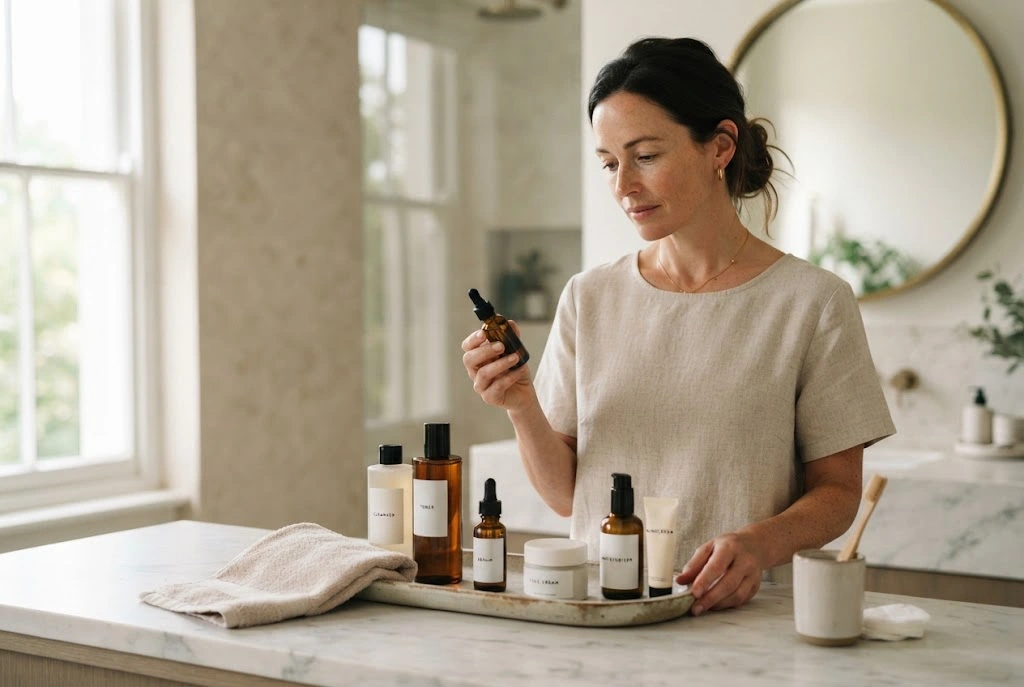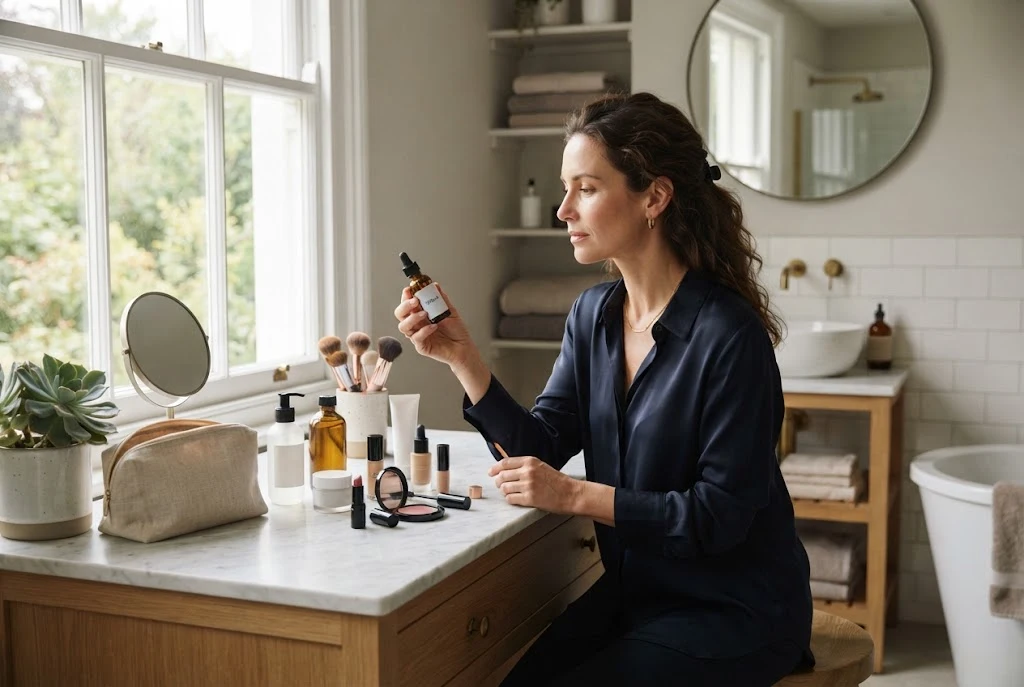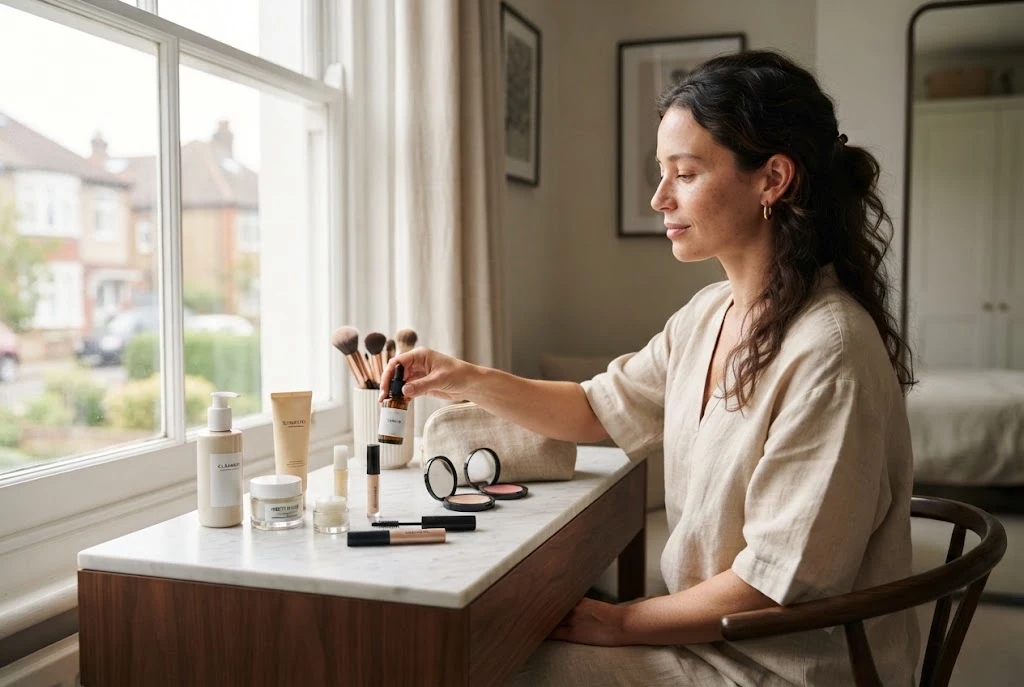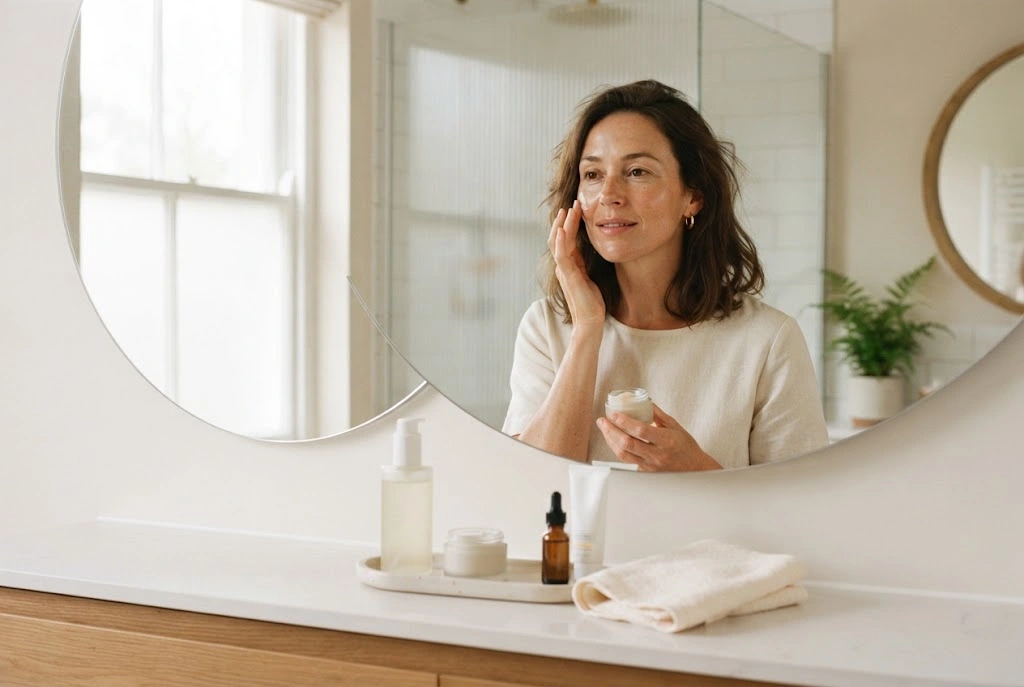
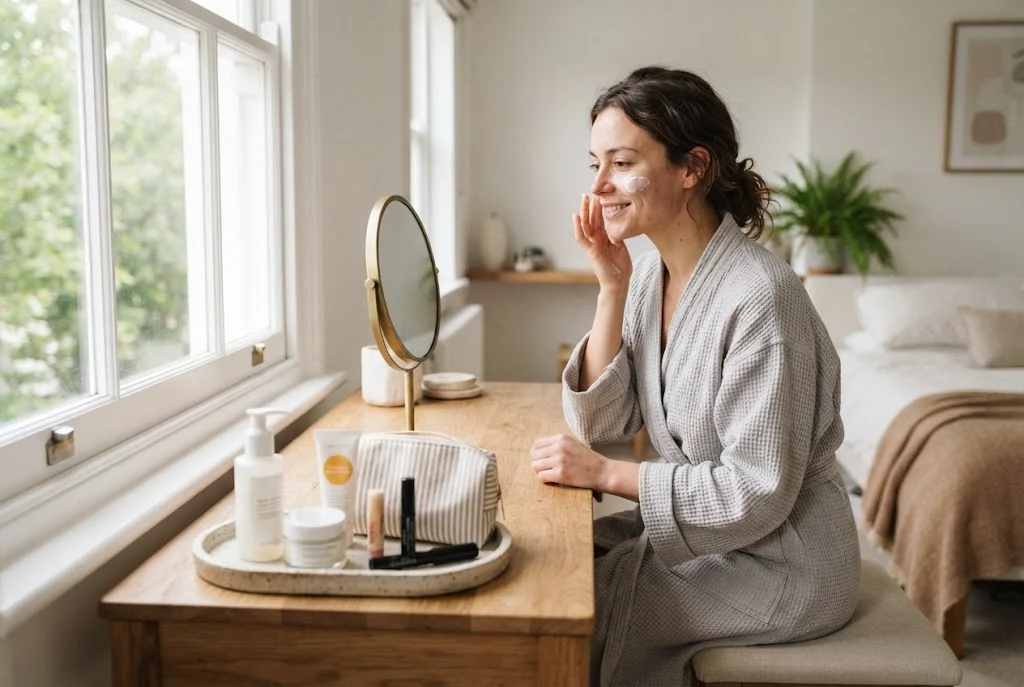
Starting a beauty routine for beginners does not need to mean buying a bathroom shelf full of products or following a complicated 10-step process. A good beginner beauty routine should be simple, practical and easy to maintain. Whether you are completely new to skincare, want to understand everyday beauty basics or are looking for an easy makeup routine, starting with a few reliable habits can make the process much less overwhelming.
The key is to build your routine gradually. Begin with basic skincare, understand what your skin needs, then add makeup or other beauty products when they serve a genuine purpose. This approach can also make it easier to understand which products work for you instead of changing everything at once.
What Is a Beauty Routine for Beginners?
A beauty routine for beginners is a straightforward set of daily and occasional habits designed to care for your skin and create a polished appearance without unnecessary complexity. It can include cleansing, moisturising, sun protection, hair care, basic makeup and personal grooming.
For someone starting from scratch, skincare should normally provide the foundation. Once you have established a comfortable basic skincare routine, you can gradually explore makeup and other beauty products.
If you are particularly interested in learning about skincare, our upcoming skincare for beginners guide can provide a more focused introduction to the subject.
Why Keep a Beginner Beauty Routine Simple?
One of the most common mistakes beginners make is trying too many products at the same time. A crowded routine can make it difficult to know which product is helping, which one is unnecessary and which one may be causing irritation.
A simpler approach also makes consistency easier. The American Academy of Dermatology recommends focusing on a manageable routine rather than continually adding products, noting that using too many products can irritate the skin. Its basic approach includes cleansing, moisturising and protecting the skin from the sun. Dermatologist guidance on skincare product order can also help beginners understand how different products fit together.
For most people, the goal is not to have the longest beauty routine. It is to have one that can realistically be followed every day.
Start With a Basic Skincare Routine
The first skincare routine should focus on a few essential steps rather than advanced treatments. A useful beginner skincare routine can be built around cleansing, moisturising and daytime sun protection.
1. Cleanse Gently
A cleanser helps remove everyday dirt, excess oil, makeup and other substances from the skin. Beginners do not need an aggressive cleanser or a product that leaves the face feeling extremely tight after washing.
Use a gentle cleanser appropriate for your skin and avoid vigorous scrubbing. Dermatologists generally recommend using lukewarm water and applying cleanser gently with your fingertips. The American Academy of Dermatology also advises avoiding scrubbing because it can irritate the skin. Its face-washing guidance provides further practical advice.
2. Use a Moisturiser
Moisturiser is one of the most useful beauty basics for beginners because it helps support the skin’s moisture barrier and can reduce feelings of dryness.
The right texture depends on your skin. A lightweight lotion or gel may feel comfortable on oily skin, while people with dry skin may prefer a richer cream. If your skin is sensitive, introducing products gradually can help you identify anything that causes discomfort.
There is no need to choose the most expensive product available. The important consideration is whether the moisturiser suits your skin and feels comfortable enough for regular use.
3. Add Daytime Sun Protection
Sun protection is an important part of a complete beginner beauty routine. In the UK, sunscreen is still relevant even though weather conditions can change considerably throughout the year.
The NHS advises choosing sunscreen with an SPF of at least 30 and at least four-star UVA protection. It also recommends combining sunscreen with other measures such as suitable clothing and shade. The NHS sunscreen and sun-safety guidance explains how SPF, UVA protection and application work.
Apply sunscreen according to the product’s instructions and pay attention to exposed areas such as the face, neck and ears when appropriate.
How to Build an Easy Beauty Routine
Once your basic skincare is established, you can expand your easy beauty routine according to your personal preferences. You do not need to copy someone else’s routine exactly. Your lifestyle, skin type, budget and desired appearance should influence what you use.
A simple morning routine might look like this:
- Cleanse the face or rinse according to your skin’s needs.
- Apply moisturiser if required.
- Use daytime sun protection.
- Apply simple makeup if desired.
- Finish with basic hair and grooming care.
An evening routine can be even simpler:
- Remove makeup and sunscreen.
- Cleanse the skin gently.
- Apply moisturiser.
- Use any additional treatment only if it is appropriate for your skin.
Keeping the foundation consistent is often more useful than constantly adding new steps.
Beginner Makeup Routine: What Do You Actually Need?
A beginner makeup routine does not require a large collection of foundation, palettes and specialist brushes. Start with products that help you achieve the appearance you actually want.
Depending on your preferences, basic makeup products might include:
- Light foundation, tinted moisturiser or another complexion product
- Concealer for areas you want to cover
- Blush for a little colour
- Mascara if you want to define the lashes
- Eyebrow product if needed
- Lip balm, tinted lip product or lipstick
You can begin with two or three products and add more later. For example, someone who prefers a natural appearance may only want concealer, mascara and a lip product.
Understanding product categories can make shopping easier. Our planned beauty essentials article will cover the products worth considering for an everyday beauty collection, while the beauty products guide will help explain broader skincare and makeup categories.
Choose Products Based on Your Skin
There is no universal product list that works perfectly for everyone. Before buying several products, consider how your skin normally behaves.
Dry skin may feel tight, flaky or rough, while oily skin can appear shiny and may be more prone to clogged pores. Combination skin can be oily in some areas and dry in others. Sensitive skin may react more easily to certain products or ingredients.
Knowing these differences makes choosing products much easier. For example, a very rich moisturiser may not feel comfortable for someone with oily skin, while an extremely lightweight product may not provide enough comfort for very dry skin.
If you are unsure where individual products fit into a routine, our planned skincare product guide can help explain the roles of cleansers, moisturisers, serums, toners and other common categories.
Beauty Basics for Beginners: What to Avoid
Learning what not to do is just as useful as knowing what to buy. Beginners often make their routine unnecessarily complicated by following every new beauty trend they see online.
Avoid Changing Everything at Once
If you introduce several new products simultaneously and your skin reacts, it can be difficult to identify the cause. Adding products gradually gives you a clearer picture of how your skin responds.
Do Not Assume Expensive Means Better
Price alone does not determine whether a product is appropriate for you. A simple product that suits your skin and fits comfortably into your routine may be more useful than an expensive product you rarely use.
Do Not Over-Exfoliate
Exfoliation can be useful in some routines, but beginners do not need to make it the centre of their skincare. Excessive scrubbing or using too many exfoliating products can irritate the skin.
Do Not Copy Someone Else’s Routine Blindly
Beauty influencers can provide inspiration, but their skin, lifestyle and product preferences may be completely different from yours. Use online routines as ideas rather than rules.
Beauty Routine for Women: Making It Personal
A beauty routine for women can vary considerably depending on age, lifestyle, personal style, work environment and skin needs. Someone who works from home may want a very minimal routine, while someone who enjoys makeup may prefer a more detailed morning process.
The same principle applies regardless of how much makeup you wear: build the foundation first. Clean skin, comfortable moisturisation, appropriate sun protection and sensible product choices can provide a strong base for a wider beauty routine.
Your routine can also change over time. Seasonal weather, travel, lifestyle changes and changes in your skin may mean that products that worked previously no longer feel ideal.
How to Create Your First Skincare Routine on a Budget
You do not need to purchase an entire collection when starting your first skincare routine. Begin with the products that perform the most important functions.
A practical starting list is:
- A gentle facial cleanser.
- A suitable moisturiser.
- A daytime sunscreen with appropriate protection.
- One makeup product you genuinely want to use.
After using these consistently, you can decide whether another product solves a specific need. This approach prevents unnecessary spending and reduces the chance of overwhelming your skin with multiple new formulas.
When you are ready to compare products in more detail, a dedicated beauty shopping guide can help you think about ingredients, product categories, budget and personal preferences before buying.
How Long Should a Beginner Beauty Routine Take?
There is no required time limit. A basic morning routine can be completed quickly once you know where each product belongs, while a more detailed routine may naturally take longer.
The best routine is one that fits your normal schedule. If a routine requires 30 minutes every morning and you regularly have only 10 minutes available, simplify it. Consistency is much easier when your routine matches your lifestyle.
When Should You Add More Beauty Products?
Add products when you have a clear reason for doing so. For example, you may want a particular makeup product for work, a richer moisturiser during colder weather or a specific skincare product for an individual concern.
Before adding something new, consider whether your existing routine already addresses the need. If it does not, research the product category and introduce it carefully.
This gradual approach also creates a natural path into more advanced beauty topics. Once you understand the basics, you can explore specific skincare products, makeup techniques and targeted beauty concerns without losing sight of your core routine.
Final Thoughts on a Beginner Beauty Routine
A good beauty routine for beginners should make beauty care easier, not more complicated. Start with the fundamentals: gentle cleansing, suitable moisturisation and sensible sun protection. Then introduce makeup and additional products according to your personal needs and preferences.
There is no need to chase every trend or purchase dozens of products immediately. Build your routine slowly, pay attention to how your skin responds and focus on products that you can use consistently.
Once these foundations are in place, you will have a much clearer understanding of what you need from your beauty products. That makes it easier to move into more detailed topics such as skincare for beginners, beauty essentials, beauty products and individual skincare product categories as your knowledge develops.