A properly functioning service brake system is one of the most important safety components in any vehicle. Every time you slow down, stop at traffic lights, or respond to an emergency situation, your brakes help maintain control and protect both you and other road users. Despite their importance, brake systems are often overlooked until a warning sign appears.
Understanding how a service brake works, recognising common brake problems, and scheduling regular maintenance can significantly improve vehicle safety, reduce repair costs, and ensure reliable braking performance throughout the year.
What Is a Service Brake?
A common question among drivers is: what is a service brake on a car?
The service brake is the primary braking system used during normal driving conditions. It is activated whenever the driver presses the brake pedal and is responsible for slowing or stopping the vehicle safely.
Unlike the parking brake, which holds a stationary vehicle in place, the service brake operates continuously while driving and is designed to provide controlled braking in everyday situations.
What Is the Service Brake on a Car and How Does It Work?
When discussing what is the service brake on a car, it is important to understand the basic operating process.
When the brake pedal is pressed:
- Hydraulic pressure is generated
- Brake fluid transfers force through brake lines
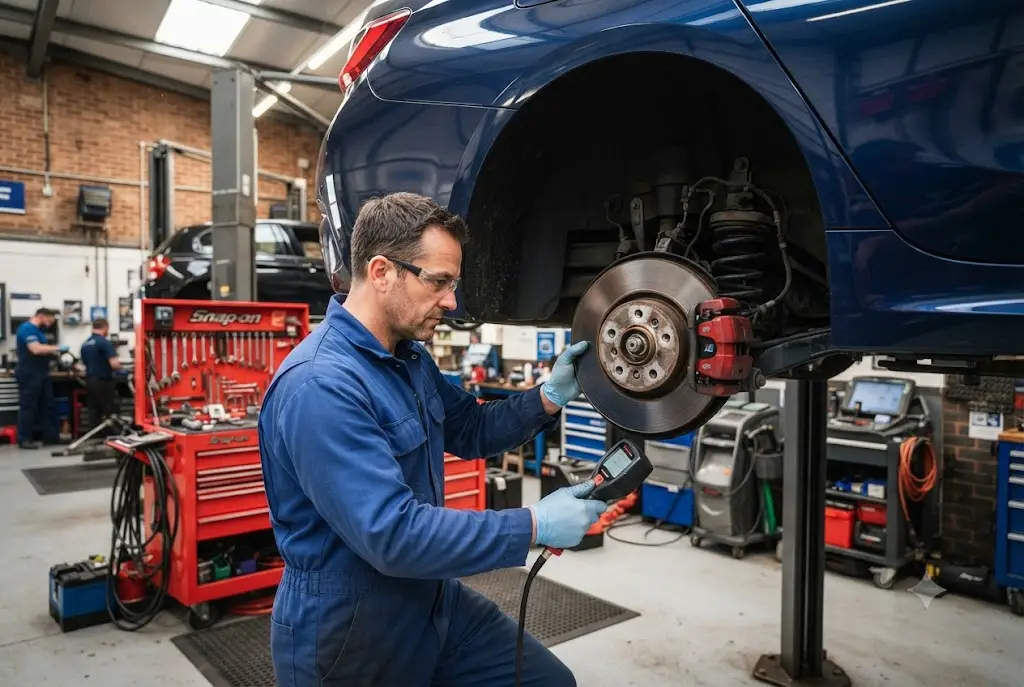
- Brake calipers apply pressure to brake discs
- Friction slows wheel rotation
- The vehicle reduces speed or comes to a stop
This process happens almost instantly and is designed to provide predictable braking performance in various driving conditions.
Understanding Service Braking Systems
Service braking refers to the complete braking process performed by the vehicle’s primary brake system.
Modern service braking systems combine multiple technologies to improve safety and performance, including:
- Hydraulic braking systems
- Disc brakes
- Brake boosters
- Anti-lock braking systems (ABS)
- Electronic brake force distribution
- Brake assist technologies
Together, these components help provide reliable stopping power while maintaining vehicle stability.
Key Components of a Service Brake System
Several parts work together to create effective braking performance.
Brake Pedal
The brake pedal is the driver’s primary control for activating the braking system.
Brake Fluid
Brake fluid transfers hydraulic pressure from the pedal to the braking components.
The Brake Discs and Pads
Brake pads create friction against rotating brake discs to slow the vehicle.
Brake Calipers
Calipers apply pressure to the brake pads during braking.
ABS Components
Anti-lock braking system components help prevent wheel lock-up during emergency braking situations.
Brake Oil for Car Systems
Many drivers refer to brake fluid as brake oil for car systems. While technically different from traditional oils, brake fluid performs a critical function within hydraulic braking systems.
Brake fluid must remain clean and at the correct level to ensure effective braking performance.
Over time, brake fluid can absorb moisture, reducing braking efficiency and increasing the risk of component corrosion.
Why Regular Brake Fluid Maintenance Matters
Routine brake fluid inspections help maintain braking performance and prevent costly repairs.
Benefits include:
- Consistent braking response
- Reduced corrosion risk
- Improved hydraulic efficiency
- Enhanced braking reliability
- Longer component lifespan
Most vehicle manufacturers recommend periodic brake fluid replacement as part of scheduled maintenance.
Anti Lock Brake System Repair
The anti-lock braking system is designed to prevent wheel lock-up during hard braking. ABS improves steering control and vehicle stability, particularly on wet or slippery roads.
Occasionally, components may require anti lock brake system repair due to wear, electrical faults, or sensor failures.
Common ABS warning signs include:
- ABS warning light illumination
- Reduced braking stability
- Unexpected ABS activation
- Diagnostic fault codes
Prompt diagnosis helps prevent more extensive repairs and maintains vehicle safety.
ABS Sensor Replacement Explained
One of the most common ABS repairs involves ABS sensor replacement. Wheel speed sensors monitor wheel rotation and provide critical information to the ABS control module.
If a sensor fails, drivers may experience:
- ABS warning lights
- Traction control issues
- Stability control warnings
- Reduced ABS functionality
Replacing faulty sensors often restores normal system operation and eliminates warning indicators.
Warning Signs Your Service Brake Needs Attention
Brake issues rarely appear without warning. Drivers should pay attention to the following symptoms:
- Squealing or grinding noises
- Soft brake pedal feel
- Brake warning lights
- Vehicle pulling during braking
- Vibration when braking
- Longer stopping distances
- Burning smells after braking
Any of these signs should be investigated by a qualified technician as soon as possible.
The Relationship Between Tyres and Braking Performance
Even the best braking system cannot perform effectively if tyres lack adequate grip.
Professional tyre fitting services help ensure tyres maintain optimal contact with the road surface, supporting effective braking and vehicle stability.
Worn or damaged tyres can significantly increase stopping distances, particularly during wet weather.
Why Wheel Alignment Supports Brake Safety
Vehicle stability during braking depends on more than just brake components. Incorrect wheel geometry can affect steering response and braking behaviour.
Routine tyre alignment and wheel balancing services help maintain predictable vehicle handling during braking manoeuvres.
Proper alignment also contributes to more even tyre wear and improved road grip.
How Tyre Condition Influences Brake Performance
Tyres with punctures, uneven wear, or structural damage may compromise braking efficiency.
Drivers experiencing tyre issues should understand available tyre repair costs and puncture repair options to maintain safe vehicle operation.
Healthy tyres and healthy brakes work together to deliver maximum stopping performance.
Preventive Brake Maintenance Tips
Regular maintenance helps reduce the likelihood of expensive brake repairs.
- Check brake fluid regularly
- Inspect brake pads during servicing
- Address warning lights promptly
- Schedule annual brake inspections
- Listen for unusual noises
- Replace worn components when necessary
Preventive maintenance is often far less expensive than repairing major brake system failures.
Vehicle Safety and Official Guidance
Safe braking systems are essential for legal and roadworthy vehicle operation. The UK Government vehicle safety guidance recommends maintaining brakes, tyres, lights, and other critical safety components in proper working condition.
Routine inspections help ensure compliance while reducing the risk of accidents and unexpected breakdowns.
Choosing a Professional Brake Service Provider
When selecting a brake specialist, consider:
- Qualified technicians
- Diagnostic capabilities
- Transparent pricing
- Warranty-backed repairs
- Positive customer reviews
- Experience with your vehicle type
A trusted provider should focus on accurate diagnosis and long-term vehicle safety rather than unnecessary repairs.
Final Thoughts
The service brake system is one of the most important safety features in any vehicle. Understanding how it works, recognising warning signs, and maintaining components such as brake fluid, ABS sensors, and brake pads can significantly improve safety and reliability.
Combined with quality tyres, proper wheel alignment, and regular maintenance, a healthy braking system helps UK drivers stay safe, reduce repair costs, and enjoy greater confidence on the road.
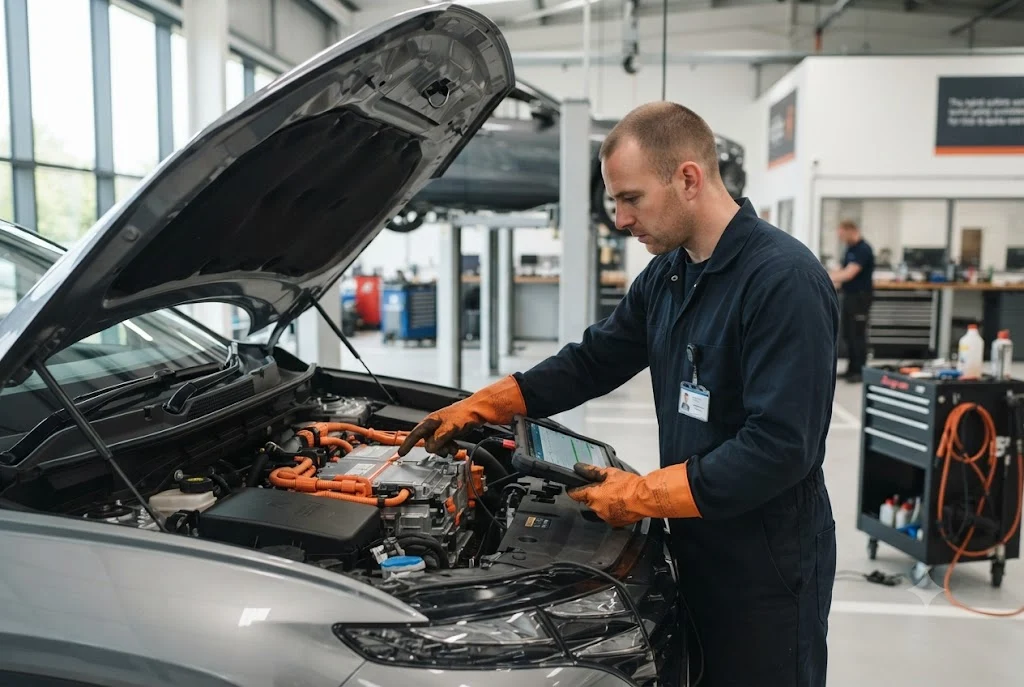
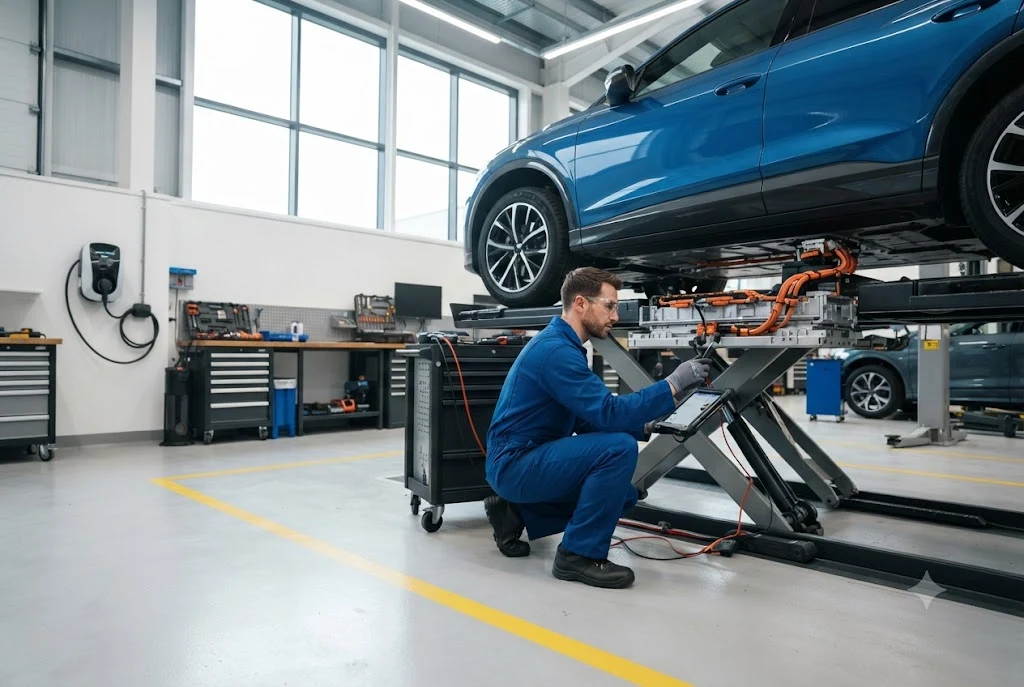
As drivers increasingly turn to hybrid vehicles, the importance of understanding the unique maintenance needs of these advanced systems cannot be overstated. While traditional service brakes play a critical role in vehicle safety, hybrid models introduce additional complexities, such as regenerative braking systems that enhance efficiency but require specific care. Regularly inspecting and maintaining both the service brake and the hybrid components is essential for optimal performance and safety. For those navigating the intricacies of maintaining their hybrid vehicles, resources on hybrid vehicle maintenance provide invaluable insights into servicing requirements, battery care, and overall vehicle efficiency, ensuring that drivers can safely enjoy the benefits of this innovative technology.