A beauty products guide can make shopping much easier when you are faced with shelves full of cleansers, moisturisers, serums, makeup and personal care products. Every category serves a different purpose, and understanding those differences can help you build a routine around what you actually need rather than buying products simply because they are popular.
For beginners especially, the sheer number of beauty products available can make choosing feel unnecessarily complicated. The good news is that you do not need to understand every product at once. Start by learning the main categories, identify what your routine needs and then choose products that fit your preferences, skin and lifestyle.
If you are starting from scratch, our guide to beauty essentials provides a useful overview of the everyday products that can form the foundation of a practical beauty collection.
What Is a Beauty Products Guide?
A beauty product guide explains the main types of products used in skincare, makeup and personal care and helps readers understand what each category is designed to do. It can also make shopping more purposeful by separating essential products from optional additions.
There is no universal list of products that everyone needs. Your skin, lifestyle, makeup preferences and budget all influence which products make sense for you.
The aim is therefore not to create the biggest possible collection. Instead, it is to understand the purpose of each product and choose items that genuinely support your routine.
Beauty Product Categories Explained
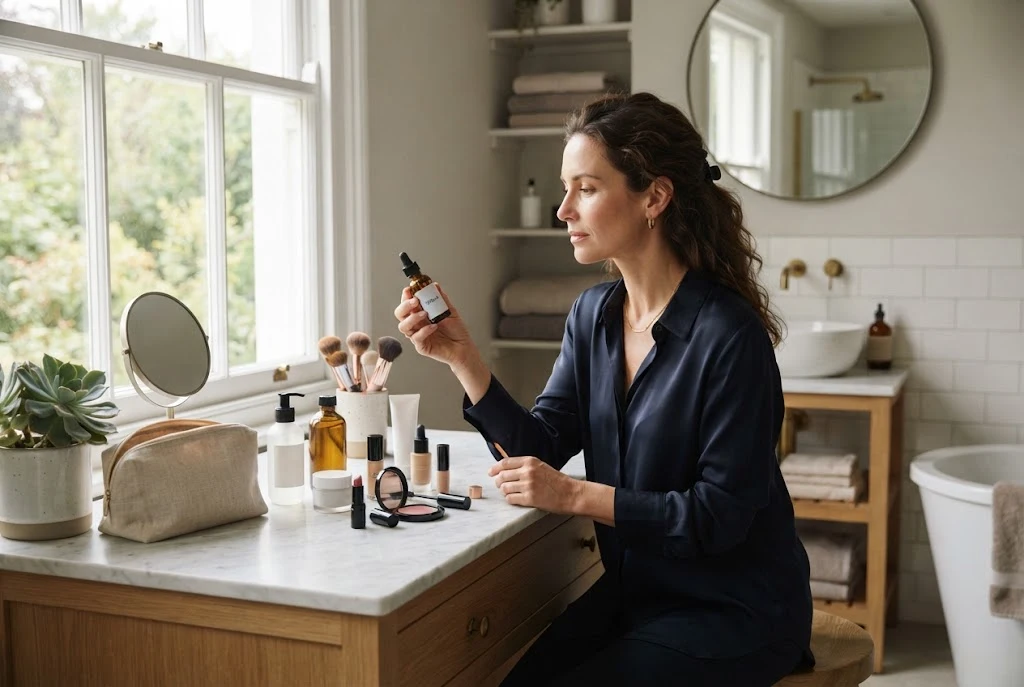
Beauty products can broadly be divided into several categories. Skincare includes products such as cleansers, moisturisers and serums. Makeup includes complexion products, eye makeup and lip products. Personal care covers items used for everyday grooming and body care.
Understanding these categories gives you a framework for navigating beauty shops and online product pages without feeling overwhelmed.
Skincare Products
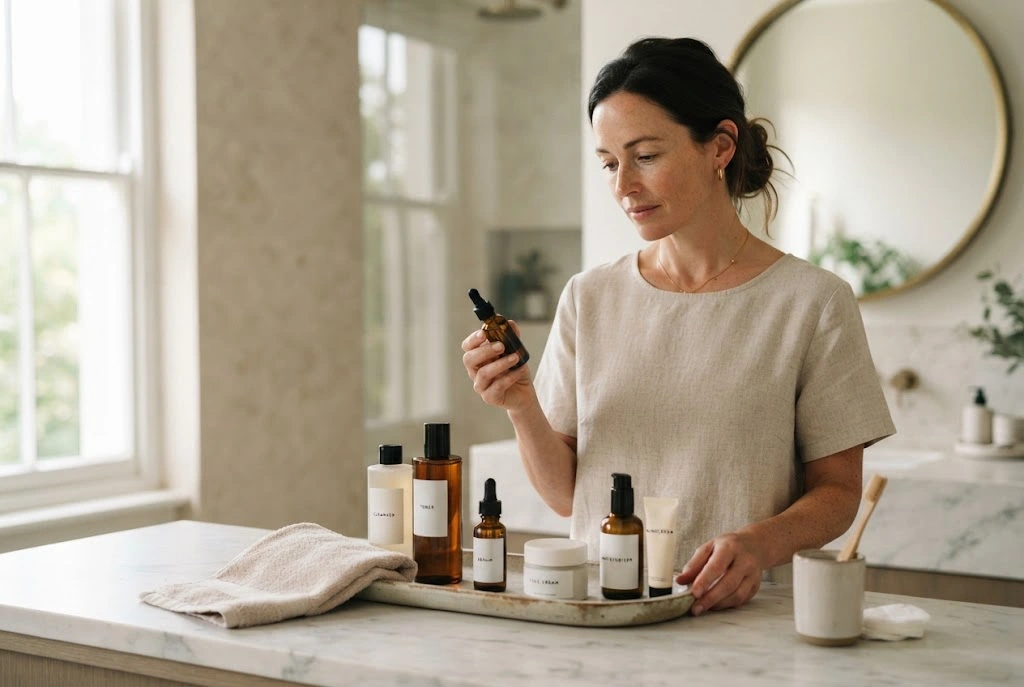
Skincare products are designed to cleanse, moisturise, protect or otherwise care for the skin. Common categories include cleansers, toners, moisturisers, serums, exfoliating products and sunscreen.
Not every category needs to appear in every routine. A simple routine may contain only a few carefully selected products.
Makeup Products
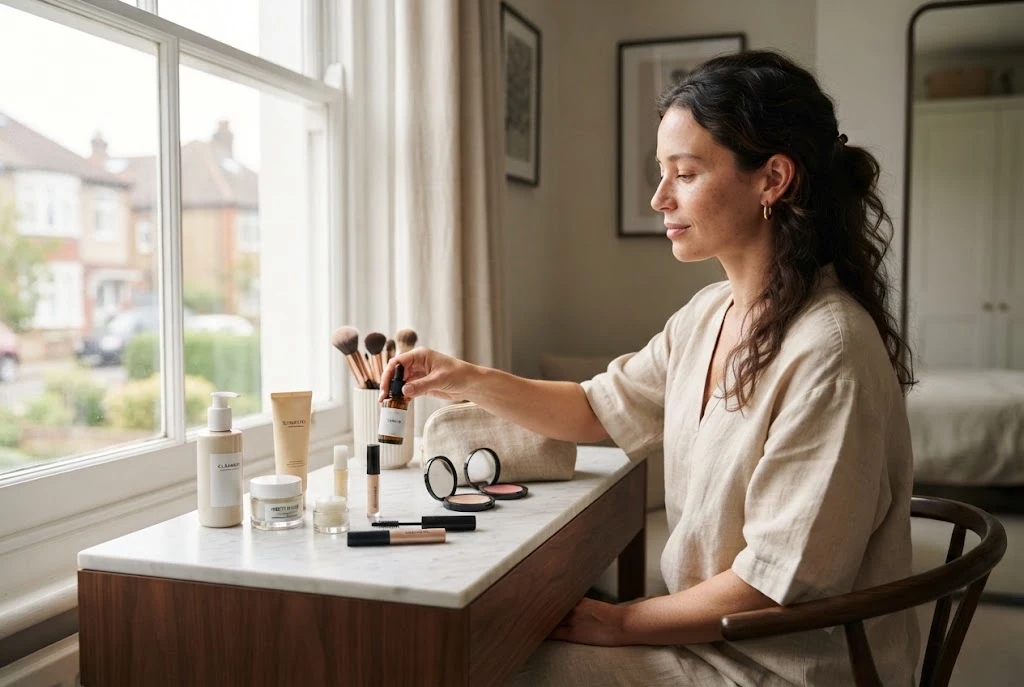
Makeup products are used to change, enhance or add definition to the appearance of the face. Common examples include foundation, concealer, blush, mascara, eyeshadow and lip products.
Makeup choices are particularly personal. Some people prefer a natural appearance with only a couple of products, while others enjoy creating more detailed looks.
Personal Care Products
Personal care covers a wide range of everyday grooming products, including body moisturisers, deodorant, hair-care products and other items that support personal hygiene and grooming.
These products are often overlooked when discussing beauty, even though they can form a substantial part of an individual’s everyday routine.
How to Choose Beauty Products
Choosing beauty products becomes easier when you begin with your needs rather than the product itself. Before buying anything, consider what you want the product to do.
For example, if your goal is simply to keep your skin comfortable and clean, you may not need a large selection of specialised treatments. If you want to create an everyday makeup look, you can focus on the products that contribute directly to that appearance.
Consider these questions before making a purchase:
- What purpose does this product serve?
- Does it suit my skin or personal preferences?
- Do I already own something that performs a similar function?
- Will I use it regularly?
- Does the product fit my budget?
- Am I interested in it because I need it or because it is trending?
These simple questions can prevent unnecessary purchases and make your beauty collection easier to manage.
Skincare Product Guide Basics
Skincare is often the area where beginners encounter the greatest number of unfamiliar products. Understanding the basic categories can remove much of the confusion.
Cleanser
A cleanser is designed to remove substances such as dirt, excess oil and makeup from the skin. Beginners should generally prioritise a comfortable, suitable cleanser rather than using multiple cleansing products without a clear reason.
Moisturiser
A moisturiser helps keep the skin feeling comfortable and supports the skin’s moisture barrier. Formulas vary from lightweight gels and lotions to richer creams.
Serum
Serums are often formulated around particular ingredients or skincare goals. Because different serums have different purposes, it is useful to understand the intended role of a product before adding one to your routine.
Toner
Toners are liquid products that can perform different functions depending on their formulation. They are not automatically necessary for every skincare routine.
Sunscreen
Sunscreen provides protection from ultraviolet radiation and is an important part of daytime skin care. The NHS recommends sunscreen with at least SPF 30 and at least four-star UVA protection.
The NHS sunscreen and sun-safety guidance explains SPF, UVA protection and other practical measures for protecting skin from the sun.
For a detailed look at individual skincare categories, our skincare product guide explores cleansers, moisturisers, serums, toners and other common products in greater depth.
Makeup Product Guide for Everyday Use
Makeup shopping can also become confusing because products often overlap in function. A simple understanding of the main categories makes it easier to decide what you actually need.
Foundation and Tinted Products
Foundation provides complexion coverage, while tinted moisturisers and similar products can offer a lighter alternative. The appropriate choice depends on your preferred coverage, finish and everyday routine.
Concealer
Concealer provides more targeted coverage and can be used independently or alongside a complexion product. It can be useful when you want to focus coverage on particular areas.
Blush and Bronzer
Blush adds colour to the cheeks, while bronzing products can add warmth and definition. These products are optional and should be selected according to the makeup style you prefer.
Eye Makeup
Eye makeup includes products such as mascara, eyeliner and eyeshadow. A beginner does not need all of them. Mascara alone, for example, can be enough for a simple everyday look.
Lip Products
Lip products range from clear balms and tinted balms to glosses and lipsticks. Choose according to whether you want hydration, colour, shine or a combination of these qualities.
Essential Beauty Products Versus Optional Products
One of the most useful distinctions when shopping is understanding which products are fundamental to your routine and which are optional.
For basic skincare, cleanser, moisturiser and appropriate daytime sun protection can provide a practical foundation. Makeup is much more dependent on personal preference. Some people may consider concealer and mascara essential, while others may not use makeup at all.
Optional products should be added when they provide a function you genuinely want. This prevents your routine from becoming unnecessarily complicated.
Choosing Beauty Products for Your Skin
Your skin’s behaviour should be one of the main factors influencing skincare purchases. Dry, oily, combination and sensitive skin can have different needs, although individual experiences vary.
If your skin tends to feel dry, you may prefer products that provide a more comfortable moisturising experience. If it tends to become oily, you may prefer lighter textures. People with sensitive skin may want to introduce products carefully and avoid unnecessary experimentation.
Do not assume that a product recommended for someone else will automatically suit you. Beauty routines are personal, and what works well for one person may not work in exactly the same way for another.
How to Read Beauty Product Information
Product packaging and online descriptions can contain a large amount of information. Rather than focusing only on marketing language, identify the product’s purpose, instructions and relevant ingredients or formulation details.
Check how the product is intended to be used and whether there are specific precautions. If you have known allergies or sensitivities, pay particular attention to the ingredient information provided by the manufacturer.
It can also be useful to avoid purchasing several products with almost identical functions unless you have a clear reason for doing so.
Beauty Shopping Guide: How to Avoid Impulse Purchases
Beauty shopping is particularly vulnerable to impulse purchases because new launches, limited editions and social media trends constantly attract attention. A shopping list can help keep your purchases connected to your actual routine.
Before buying a new product, check your existing collection. You may already have something that performs a similar role.
If you are still interested in the product, consider whether it fills a genuine gap. Waiting before purchasing can also help distinguish a lasting need from a temporary trend.
Building a Practical Beauty Collection
A practical collection should contain products you use consistently. Start with the categories that matter most to you and expand gradually.
A simple collection might contain:
- Facial cleanser
- Moisturiser
- Daytime sunscreen
- Lip balm
- One complexion product if desired
- Concealer if required
- Mascara if preferred
- One everyday lip product
- Essential hair and body-care products
This is a starting framework rather than a mandatory list. You can remove products you do not use and add categories that are genuinely relevant to your routine.
Beauty Products Explained: Why Simplicity Matters
Using more products does not automatically produce better results. In fact, an overly complicated routine can make consistency difficult and can make it harder to identify which products suit you.
For beginners, understanding the purpose of each product is more valuable than collecting a large number of items. Once you know why you are using something, you can make more informed decisions about whether it belongs in your routine.
This is particularly important with skincare. If you are new to the subject, our skincare for beginners guide provides a foundation before you move into more specialised products.
When Should You Try New Beauty Products?
There is no need to add new products simply because they are available. A good time to consider a new product is when it addresses a specific need, replaces an item you have finished or offers a feature that genuinely fits your routine.
Introduce new skincare products thoughtfully rather than changing several parts of your routine simultaneously. This makes it easier to understand how your skin responds.
Makeup can be approached more flexibly because product choice is often based on appearance and preference, but the same principle applies: buy products you expect to use.
Final Thoughts on Choosing Beauty Products
A useful beauty products guide should make beauty shopping clearer rather than encouraging you to buy more. Start by understanding the main categories, identify the products your routine genuinely requires and then choose options that suit your skin, preferences and lifestyle.
Skincare can provide the foundation, while makeup and personal care products can be added according to your individual needs. There is no requirement to own every product category.
As you become more familiar with the basics, you can explore individual categories in greater depth. Understanding products before buying them can help you create a beauty collection that is practical, organised and genuinely useful.