Beauty on a budget is not about buying the cheapest product on the shelf. It is about spending where it matters, saving where it does not, and building a routine that works for your skin without draining your wallet. With thoughtful choices, a modest budget buys excellent skincare — often the same results as a luxury routine at a fraction of the price. This guide explains how to budget for beauty, where to save, where to spend, and how to avoid the traps that waste money.
The golden rule is simple: price and quality are related, but they are not the same thing. Many affordable products share ingredients and formulations with expensive ones, and the most important factor in any routine is consistency, not cost.
Start With a Budget, Not a Basket
Decide what you can spend each month on beauty, and treat it as a real budget. List what you already own before buying anything — most people have half-used products that still work, and finishing them first saves money immediately. Then identify the gaps: what do you actually need, and what is a want? A cleanser, moisturiser and sun protection are needs for most people. A fourth serum in the same category as one you own is usually a want.
Track what you spend for a month. You may be surprised how much goes on impulse purchases, duplicate products, or subscriptions that deliver faster than you use them. Cancelling one unused subscription often frees more budget than any discount code.
Where to Save: The Smart Cuts
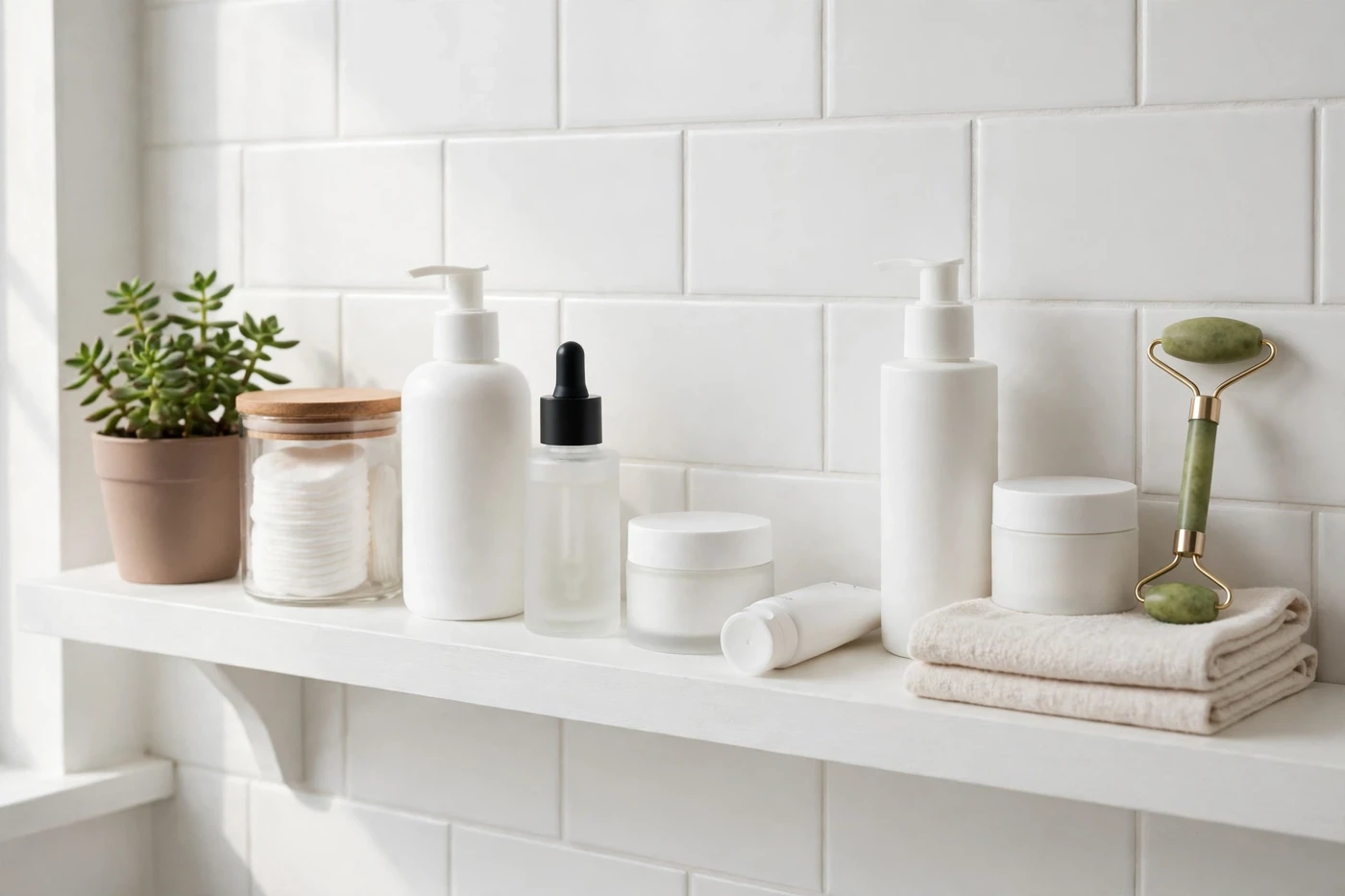
Save on products that rinse off. Cleansers spend only moments on your skin, so a gentle, affordable cleanser performs as well as a luxury one. Save on tools and accessories too: a soft flannel, a basic headband and a clean towel do the same job as expensive gadgets for most routines. Save by buying the right size — a large bottle of a product you may not like is not a bargain, while a small size you finish is money well spent.
Save by simplifying. A routine with four well-chosen products beats a routine with twelve overlapping ones, both for your skin and your budget. If two products do the same job, finish one before opening the other. And resist the urge to buy a new product every time a trend appears; most trends fade, while your skin’s actual needs change slowly.
Where to Spend: Worth Every Penny
Spend on products that stay on your skin and address your main concern. A treatment product — such as a serum for your specific skin goal — is where quality ingredients and formulation matter most, and where a slightly higher price can be justified. Spend on sun protection too: it is the single most effective anti-ageing product, and a formula you enjoy using daily is worth paying for.
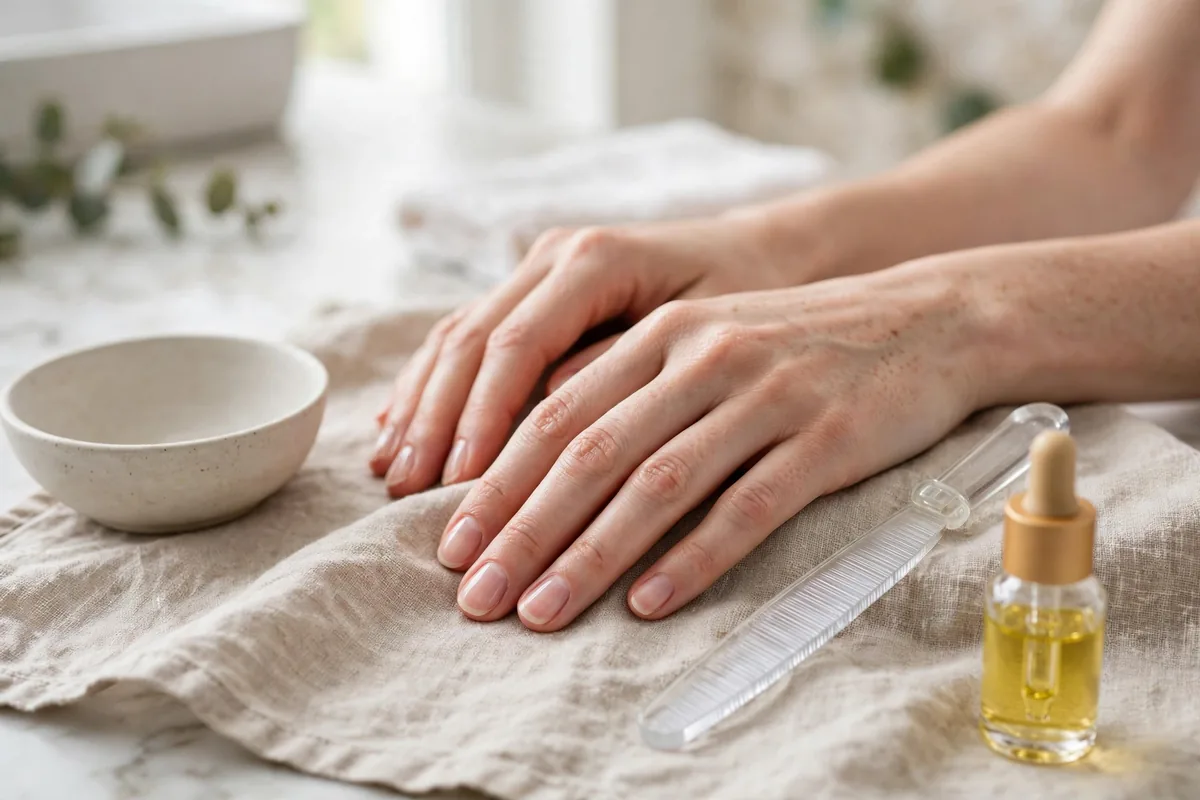
As you refine your beauty regimen to maximize results while minimizing expenses, it’s essential to extend this mindful approach to all aspects of personal care, including nail health. Just as with skincare, investing in the right products and practices can yield significant benefits without overwhelming your budget. A well-rounded beauty routine encompasses both skincare and nail care, ensuring that every detail contributes to your overall aesthetic. By adopting practical nail care tips, you can maintain strong and healthy nails, which not only complement your skin but also enhance your overall appearance. Remember, a cohesive beauty strategy is about harmonizing all elements to create a polished, confident look without unnecessary financial strain.
Spend on knowledge as well. Understanding your skin type and what it needs prevents expensive mistakes. Our skincare for beginners guide explains the basics, while our UK beauty tips cover everyday habits that cost nothing. If your skin is reactive, read our sensitive skin care guide before buying anything new — it can save you from products your skin will reject.
Choosing Affordable Products That Work
Judge affordable products the same way you judge expensive ones: by ingredients, evidence and your skin’s response. Look for short, clear ingredients lists, proven actives at sensible strengths, and fragrance-free options if your skin is sensitive. Read reviews from people with your skin type, not only influencer recommendations, and be wary of products whose main selling point is packaging or a celebrity name.
Our guides can help you choose: the skincare product guide explains how to read labels and compare products, and the beauty products guide covers the categories worth knowing. Buy from reputable retailers so you can return products that do not suit you, and keep receipts until you are sure.
Budget Traps to Avoid
The biggest budget trap is buying more because something is cheap. Three affordable products you do not need cost more than one product you do. Another trap is the endless sale: if a product is always discounted, its real price is the discounted one, and urgency is manufactured. A third trap is duplicating functions — a toner, essence, mist and hydrating serum may all do similar jobs, and your skin rarely needs all four.
Finally, do not let a low price excuse poor quality. Extremely cheap products from unknown sellers can contain untested ingredients or incorrect concentrations. Affordable should mean good value from a trustworthy source, not the lowest possible price regardless of safety.
Reviewing Your Routine Every Few Months
A budget routine should be reviewed regularly, because skin, seasons and prices all change. Every few months, look at what you own: what is finished, what is half-used and unloved, and what you actually reach for daily. Stop repurchasing anything you do not enjoy using, even if it was cheap — an unused product is the most expensive kind. Check whether a product you love has changed price or size, since brands quietly reformulate or shrink packaging. And reassess your skin: a routine that worked in winter may be too rich for summer, and a treatment that helped six months ago may no longer be needed. Regular, honest reviews keep your routine lean, effective and genuinely affordable, rather than letting it drift into a collection of good intentions.
A Budget Routine That Works
Morning: gentle cleanser, moisturiser, sun protection. Evening: gentle cleanser, treatment product for your main concern, moisturiser. That is a complete routine, and it can cost less than a single luxury serum. Add products only when you have a specific reason, try one new product at a time, and give each several weeks before judging it.
Beauty on a budget rewards the same habits as any good routine: consistency, patience, and attention to what your skin actually needs. Spend thoughtfully, save ruthlessly on what does not matter, and invest the difference in the few products that genuinely work for you. Your skin — and your bank balance — will both be better for it.