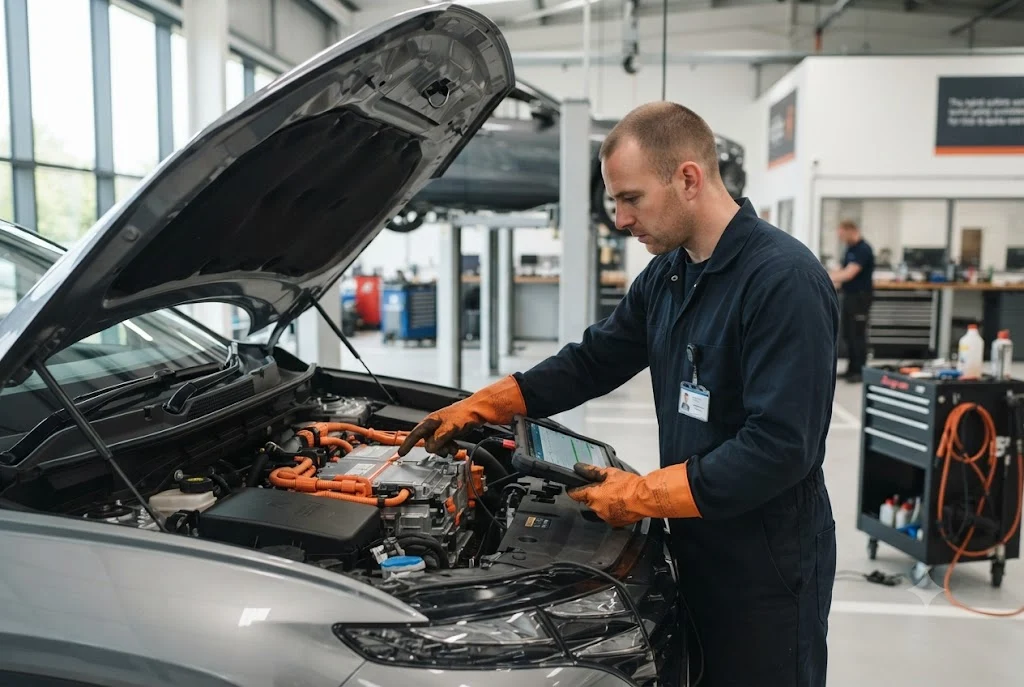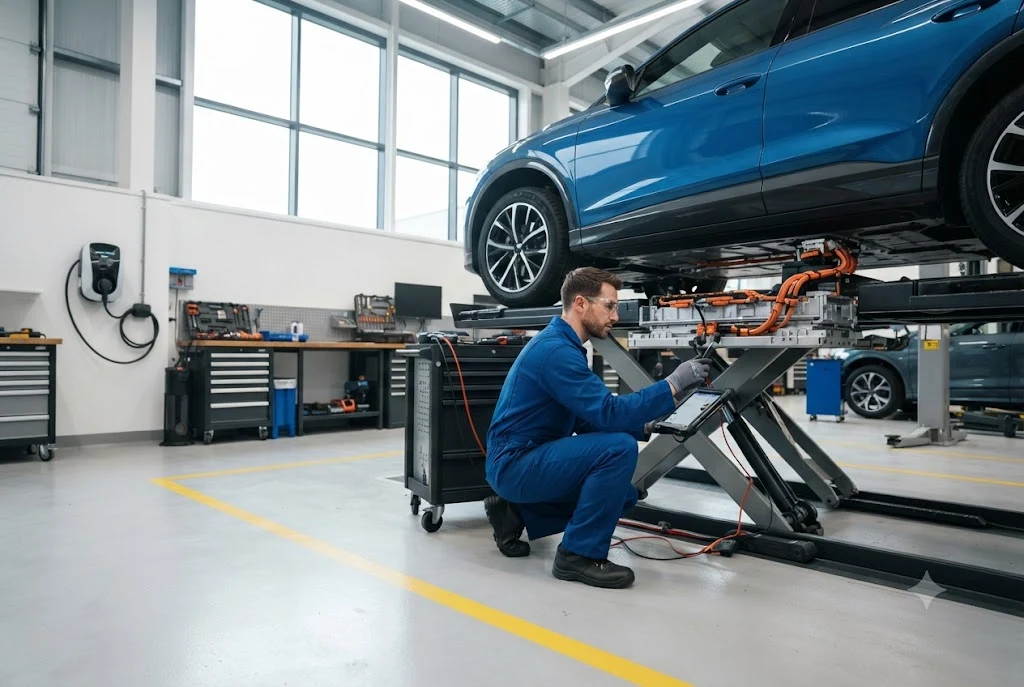
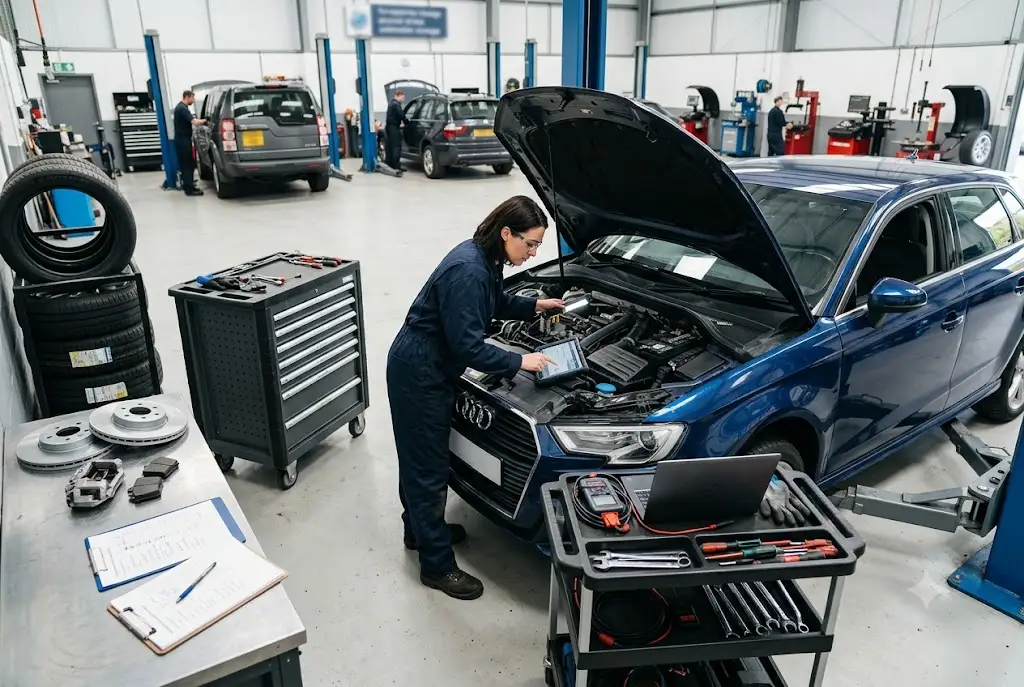
A comprehensive car service checklist helps ensure your vehicle remains safe, reliable, and efficient throughout the year. Whether you’re booking an annual service or simply want to understand what your mechanic should inspect, knowing what’s included can help you make informed decisions and avoid unnecessary repairs.
This guide explains what a professional service should include, the differences between interim, full, and major servicing, and why following a structured maintenance schedule can save money in the long run.
Why a Car Service Checklist Is Important
A professional car service checklist provides a systematic inspection of your vehicle’s key components. Regular servicing identifies worn or damaged parts before they develop into expensive mechanical failures.
Benefits of following a proper servicing checklist include:
- Improved vehicle safety
- Better fuel efficiency
- Lower repair costs
- Longer engine life
- Reduced breakdown risk
- Improved resale value
- Compliance with manufacturer servicing schedules
What Is Included in a Full Car Service Checklist?
A full car service checklist covers the most important systems of your vehicle to ensure everything is operating correctly.
Engine
- Engine oil replacement
- Oil filter replacement
- Check for leaks
- Inspect drive belts
- Inspect engine mounts
Braking System
- Brake pad inspection
- Brake disc condition
- Brake fluid level
- Brake pipe inspection
- Handbrake operation
Tyres and Wheels
- Tread depth
- Tyre pressures
- Wheel condition
- Wheel nut torque check
- Tyre wear inspection
Steering and Suspension
- Steering joints
- Shock absorbers
- Springs
- Suspension bushes
- Wheel bearings
Battery and Electrical System
- Battery health test
- Charging system
- Starter motor
- Exterior lights
- Interior lighting
- Horn operation
Fluid Checks
- Coolant
- Brake fluid
- Power steering fluid (where applicable)
- Screen wash
- Transmission fluid (where required)
Safety Equipment
- Seat belts
- Windscreen condition
- Wiper blades
- Washers
- Mirrors
Complete Car Service Checklist
A complete car service checklist goes beyond the standard inspection and may include manufacturer-specific maintenance depending on your vehicle’s mileage and age.
Additional inspections may include:
- Air filter replacement
- Cabin pollen filter replacement
- Spark plug replacement
- Fuel filter inspection
- Diagnostic computer scan
- Exhaust system inspection
- Cooling system pressure test
- Air conditioning performance check
Modern garages also perform electronic diagnostic scans to identify hidden fault codes that may not yet trigger dashboard warning lights.
Major Service Checklist
A major service checklist is the most comprehensive scheduled maintenance package and is typically carried out every two years or according to the manufacturer’s recommendations.
In addition to everything included in a full service, a major service usually covers:
- Spark plug replacement (petrol vehicles)
- Fuel filter replacement
- Coolant replacement
- Transmission fluid inspection or replacement (if applicable)
- Brake fluid replacement
- Extensive suspension inspection
- Drive belt inspection or replacement where scheduled
Major servicing reduces the likelihood of expensive repairs by replacing components before they fail.
Major Car Service Checklist for High-Mileage Vehicles
A major car service checklist becomes particularly important once your vehicle exceeds higher mileage intervals. Parts naturally wear over time, and additional inspections help maintain long-term reliability.
Mechanics may recommend:
- Timing belt inspection
- Water pump inspection
- Suspension component replacement
- Wheel alignment check
- Battery replacement if performance declines
- Cooling system flush
How Often Should You Follow a Car Service Checklist?
Most manufacturers recommend servicing every 12 months or around 10,000 to 12,000 miles, although intervals vary by vehicle.
If you’re unsure when maintenance is due, our guide on when is my car service due explains how to determine the correct servicing schedule.
Can You Perform Some Checks Yourself?
Yes. While professional servicing is essential, drivers can perform several basic inspections between scheduled services.
- Check engine oil
- Inspect tyre pressures
- Top up screen wash
- Check coolant level
- Inspect lights
- Replace worn wiper blades
- Listen for unusual noises
These simple checks support regular car upkeep and can help identify problems early.
Why Following a Service Checklist Saves Money
Routine servicing is significantly less expensive than repairing neglected mechanical failures. Replacing engine oil, filters, or brake pads costs far less than replacing an engine or transmission damaged by poor maintenance.
If you own a specific manufacturer, compare expected servicing costs using our guides on Toyota servicing cost and Vauxhall service cost.
Final Thoughts
A professional car service checklist is one of the best tools for protecting your vehicle’s reliability, safety, and long-term value. Understanding what should be inspected during each service also helps you choose reputable garages and ensures you’re receiving the maintenance your vehicle requires.
Following manufacturer recommendations and scheduling regular servicing will help minimise unexpected repair bills while keeping your vehicle performing at its best.
For official vehicle maintenance guidance, visit the UK Government MOT history service.
Maintaining a vehicle is not solely about ensuring it runs smoothly; it’s also about fostering a partnership with a trusted mechanic who can provide ongoing care. As you familiarize yourself with the essentials of vehicle servicing outlined in the checklist, it’s equally important to consider how to find a reliable technician who will adhere to this standard. Engaging with knowledgeable professionals can enhance your understanding of necessary repairs and maintenance, ensuring your vehicle operates at peak performance. When seeking assistance, resources that guide you toward reputable local auto repair options can prove invaluable, helping you make informed choices that align with your service needs and budget. This synergy between regular maintenance and quality repair services ultimately contributes to the longevity and efficiency of your vehicle.
Maintaining a thorough understanding of your vehicle’s service history is just as crucial as adhering to a regular maintenance schedule. Not only does this documentation provide insight into the condition of your car, but it also plays a pivotal role in safeguarding its resale value. A well-kept record reflects diligent upkeep, which can be a significant selling point to prospective buyers. For UK drivers, ensuring that each service is logged in a reliable manner is essential. This not only facilitates warranty claims but also enhances the credibility of your service book car records. By integrating meticulous record-keeping with your regular servicing checklist, you create a comprehensive approach to vehicle maintenance that can lead to long-term savings and peace of mind.