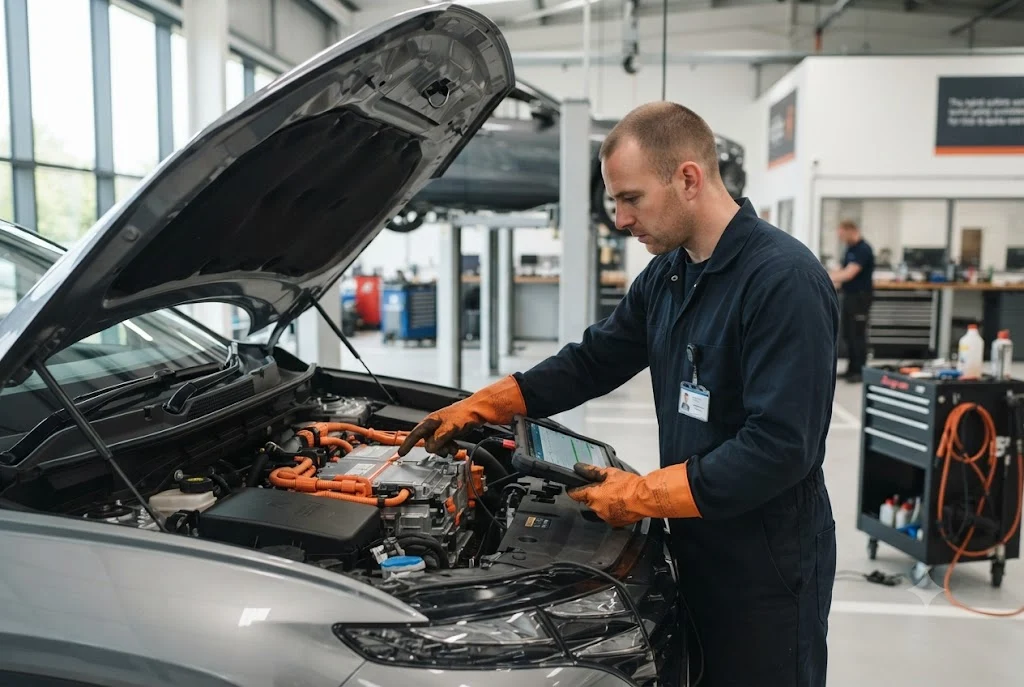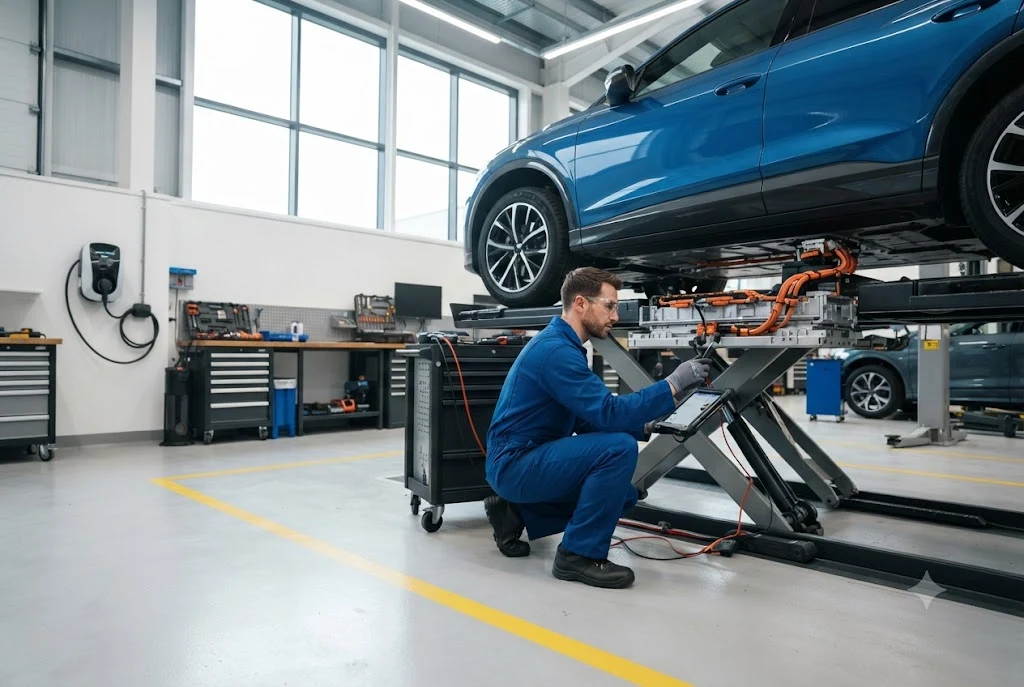
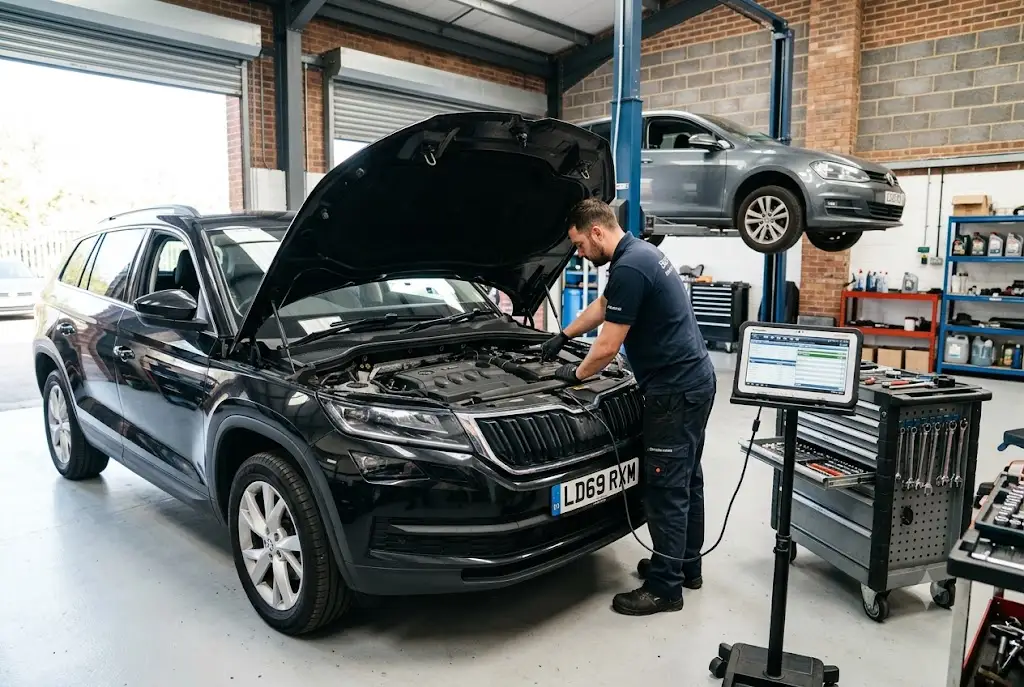
Proper car upkeep is one of the most effective ways to improve your vehicle’s reliability, maintain fuel efficiency, and avoid expensive repairs. Whether you drive a brand-new car or an older model, following a regular maintenance routine helps extend the life of your vehicle while ensuring it remains safe on UK roads.
This guide explains essential car maintenance tips, answers common servicing questions, and helps you understand when your vehicle requires professional attention.
Why Car Upkeep Matters
Routine car upkeep is more than simply changing the engine oil. Regular maintenance keeps every major component working efficiently, reduces the chance of breakdowns, improves safety, and protects your vehicle’s resale value.
Benefits of regular maintenance include:
- Improved fuel economy
- Longer engine life
- Better braking performance
- Reduced repair costs
- Lower risk of roadside breakdowns
- Higher resale value
- Improved road safety
Essential Car Maintenance Tips
Following simple car maintenance tips throughout the year can prevent many common mechanical problems.
Check Engine Oil Regularly
Engine oil lubricates moving parts and prevents excessive wear. Check oil levels at least once a month and top up if necessary.
Inspect Tyres
Maintain the correct tyre pressure and ensure tread depth meets the UK legal minimum. Uneven tyre wear may indicate alignment or suspension issues.
Monitor Brake Performance
If you notice unusual noises, vibrations, or reduced braking performance, have your brakes inspected immediately.
Replace Worn Wiper Blades
Good visibility is essential during the UK’s changing weather conditions. Replace worn blades before they affect visibility.
Check Battery Condition
Cold weather can reduce battery performance. Inspect terminals for corrosion and test the battery annually.
Maintain Fluid Levels
Regularly inspect coolant, brake fluid, washer fluid, and power steering fluid where applicable.
When Does a New Car Need Servicing?
Many drivers ask, when does a new car need servicing? Most manufacturers recommend the first service after approximately 12 months or between 10,000 and 12,000 miles, whichever comes first.
However, servicing intervals vary depending on the manufacturer, driving conditions, and whether your vehicle uses flexible servicing schedules. Always check your owner’s handbook for the recommended maintenance timetable.
Does My Car Need a Service?
If you’re wondering, does my car need a service, there are several signs that maintenance may be overdue.
- Service warning light illuminated
- Reduced fuel efficiency
- Engine running roughly
- Unusual noises
- Difficulty starting
- Reduced braking performance
- More than 12 months since the last service
Even if your vehicle appears to be running normally, routine servicing helps identify hidden problems before they become expensive repairs.
Do You Have to Service Your Car?
A common question is, do you have to service your car?
Although UK law does not require routine servicing in the same way as an MOT, manufacturers strongly recommend regular maintenance. Skipping services may:
- Void certain warranty conditions
- Increase repair costs
- Reduce fuel economy
- Lower resale value
- Increase the risk of breakdowns
When Is My Car Service Due?
If you’re asking, when is my car service due or when is my car due a service, the answer depends on your vehicle’s age, mileage, and manufacturer’s maintenance schedule.
Many modern vehicles display service reminders on the dashboard. Alternatively, you can check:
- Your service book
- Digital service history
- The owner’s manual
- Your dealership or local garage
For a detailed explanation, see our guide on when is my car service due.
What Service Does My Car Need?
Drivers often ask, what service does my car need? The answer depends largely on mileage and service history.
Interim Service
Recommended every six months for high-mileage drivers. Covers basic safety inspections and oil changes.
Full Service
Usually performed every 12 months. Includes a comprehensive inspection of major systems.
Major Service
Typically carried out every two years or according to manufacturer recommendations. Includes additional replacement parts and extensive inspections.
To see exactly what’s included, read our car service checklist.
What Happens If Your Car Is Not Serviced for 2 Years?
A vehicle that’s car not serviced for 2 years may still appear to run normally, but hidden wear can lead to significant mechanical problems.
Potential consequences include:
- Engine sludge
- Brake deterioration
- Coolant degradation
- Reduced fuel economy
- Premature component failure
- Higher repair bills
If your car has missed multiple services, it’s advisable to book a full inspection as soon as possible.
How Regular Servicing Saves Money
Routine maintenance often costs far less than major repairs caused by neglected servicing. Replacing engine oil or filters is considerably cheaper than repairing an engine damaged by poor lubrication.
Comparing servicing prices between reputable garages can also help reduce costs. For example, our guides on Toyota servicing cost and Vauxhall service cost explain how pricing varies between manufacturers.
Final Thoughts
Consistent car upkeep is one of the smartest investments any driver can make. Following a regular servicing schedule, checking essential components, and addressing small issues early will improve reliability, reduce repair costs, and help your vehicle remain safe for years to come.
Whether your car is brand new or several years old, proactive maintenance is always more affordable than unexpected repairs.
For official servicing guidance and vehicle maintenance advice, visit the UK Government MOT guidance.