
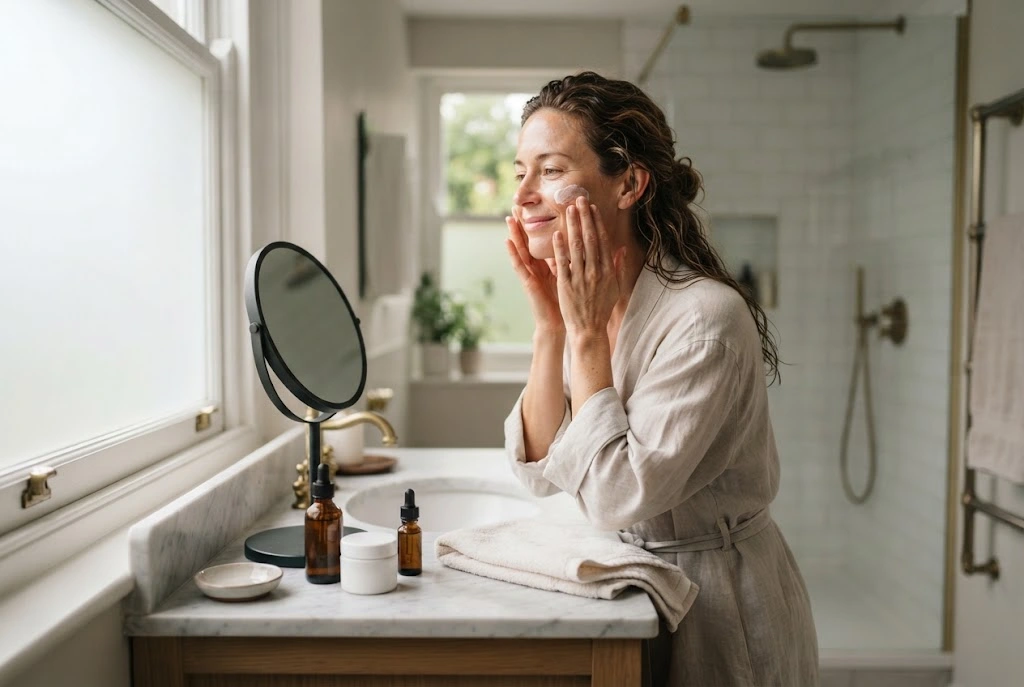
Good skin care does not need to involve a complicated shelf full of products. The most useful skincare tips are usually based on a few consistent habits: cleansing appropriately, keeping the skin moisturised, protecting it from excessive sun exposure and choosing products that suit your individual needs. Whether you are starting from scratch or trying to simplify an existing routine, a practical approach can make daily skin care much easier to manage.
Your skin can change with age, seasons, lifestyle and environmental conditions. That means there is no single routine that works perfectly for everyone. Instead, the aim should be to understand what your skin needs and create simple habits that you can maintain consistently.
Why Skincare Tips Matter for Everyday Skin Care
Skin is constantly exposed to the outside environment, including weather, sunlight, pollution and changes in temperature. Everyday habits can therefore have a significant effect on how comfortable and well-maintained your skin feels.
A good routine is not necessarily the one with the most steps. In many cases, a basic routine that you follow regularly is more practical than an elaborate routine that changes every week.
For anyone building a broader personal care routine, these beauty tips UK can also help connect skincare with everyday grooming and beauty habits.
Essential Skincare Tips for a Simple Routine
Cleanse Without Overdoing It
Cleansing helps remove sweat, excess oil, makeup and other substances that accumulate on the skin during the day. However, cleansing more aggressively does not necessarily mean cleaner or healthier skin.
Choose a cleanser appropriate for your skin and use it according to the product instructions. If your skin feels persistently tight, uncomfortable or irritated after cleansing, your routine may be too harsh.
People who wear makeup should also make removing it properly part of their evening routine rather than regularly going to bed with makeup still on the skin.
Moisturise Regularly
Moisturiser can help support the skin barrier and reduce feelings of dryness. Even people with oily skin may benefit from using a suitable moisturiser rather than assuming that all moisturising products are unsuitable.
The right texture depends on personal preference and skin needs. Some people prefer lightweight lotions or gels, while others may find richer creams more comfortable, particularly during colder or drier conditions.
Make Sun Protection a Priority
Sun protection is one of the most important long-term skincare habits. Ultraviolet radiation can damage skin and contribute to premature skin ageing, so protecting exposed skin is important when conditions call for it.
Use a suitable sunscreen and follow its application instructions. On particularly sunny days or during extended outdoor activities, also consider shade, protective clothing and sunglasses. The NHS guidance on sunscreen and sun safety provides further practical information.
Skincare Tips for Different Skin Types
Understanding your skin can help you avoid buying products simply because they are popular. Skin types are commonly described as dry, oily, combination or normal, although individual skin can change over time.
Dry Skin
Dry skin may feel tight, rough or uncomfortable. A gentle cleanser and a moisturiser designed to support hydration can be useful. Avoid unnecessarily harsh cleansing or frequent exfoliation if these make dryness worse.
Oily Skin
Oily skin can produce more sebum, which may contribute to a shiny appearance or clogged pores. A gentle cleansing routine can help remove excess oil without relying on aggressive scrubbing.
Using a suitable lightweight moisturiser can still be helpful. Trying to strip all oil from the skin can sometimes leave it feeling uncomfortable and may make your routine harder to maintain.
Combination Skin
Combination skin can have both oily and drier areas. Instead of treating the entire face identically, pay attention to how different areas respond to your products.
Sensitive Skin
Sensitive skin may react easily to particular ingredients, fragrances or environmental factors. Introduce new products carefully and stop using a product if it causes significant irritation or discomfort.
If you experience persistent redness, swelling, painful irritation or other concerning symptoms, professional medical advice is more appropriate than repeatedly changing cosmetic products.
Daily Skincare Tips for Beginners
Beginners often make the mistake of starting with too many products at once. A better approach is to establish the basics first and then introduce additional products only when you have a clear reason.
- Start with a simple cleansing routine.
- Use a moisturiser that feels comfortable on your skin.
- Protect exposed skin from excessive UV exposure.
- Remove makeup properly before going to bed.
- Introduce new products one at a time.
- Follow product instructions rather than assuming more is better.
- Give your routine time to become consistent.
This approach makes it easier to identify what suits you. If you introduce five products simultaneously and your skin reacts, it becomes much harder to determine which product caused the problem.
How Often Should You Exfoliate?
Exfoliation is often promoted as an essential part of skincare, but it is not something everyone needs to do frequently. Exfoliating removes surface skin cells, yet excessive exfoliation can leave some people’s skin irritated or uncomfortable.
If you choose to exfoliate, follow the product’s instructions and consider your skin’s response. Avoid using multiple exfoliating products simply because each one appears to offer a different benefit.
For a beginner, it is generally more sensible to establish cleansing, moisturising and sun protection habits before adding optional treatments.
Skincare Tips for Your Morning Routine
Morning skincare should be practical enough to fit into your normal schedule. A simple routine can begin with cleansing or refreshing your face as appropriate, followed by moisturiser and suitable sun protection.
If you wear makeup, allow skincare products to settle before applying makeup. This can make the process feel more comfortable and prevent your morning routine from becoming unnecessarily complicated.
Our dedicated morning beauty routine guide can sit alongside these skincare steps as part of a broader morning routine.
Skincare Tips for Your Evening Routine
Evening is a useful opportunity to remove makeup, cleanse the skin and apply moisturiser. If you use additional skincare products, introduce them carefully and follow their directions.
A consistent nighttime routine can also make it easier to avoid rushing through basic skin care. Rather than adding numerous treatments, focus first on removing the day’s products and maintaining comfortable skin.
You can combine these steps with a broader evening beauty routine designed around your personal schedule.
Common Skincare Mistakes to Avoid
One of the biggest skincare mistakes is assuming that more intense treatment will automatically produce better results. Scrubbing aggressively, cleansing too frequently or repeatedly switching products can make a routine unnecessarily difficult.
Another common mistake is copying somebody else’s skincare routine without considering whether your skin has the same needs. Social media can introduce useful ideas, but popularity does not make a product appropriate for everyone.
It is also important to follow instructions for active skincare products. If a product causes persistent irritation, do not simply increase the amount or frequency in the hope that your skin will adjust.
How to Build a Sustainable Skincare Routine
A sustainable routine should be easy enough to follow on ordinary days. Start by identifying your essential steps and keep them consistent.
For example, you might divide your routine into three simple areas: cleansing, moisturising and protection. Optional products can then be added around those fundamentals if they serve a specific purpose.
It can also help to review your routine whenever your circumstances change. Colder weather, warmer weather, travel, changes in lifestyle or new skin concerns may mean that certain products no longer feel as suitable as they once did.
When Skincare Problems Need Professional Advice
Cosmetic skincare can support everyday skin maintenance, but it is not a substitute for medical assessment when there is an ongoing skin problem.
Persistent acne, severe irritation, unexplained rashes, unusual changes or symptoms that are causing significant discomfort may require professional evaluation. Avoid repeatedly experimenting with products when a skin concern is persistent or worsening.
Professional advice can help distinguish an ordinary cosmetic concern from a condition that needs specific treatment.
Final Thoughts on Skincare Tips
The most useful skincare tips are not necessarily the newest or most complicated. A consistent routine built around appropriate cleansing, moisturising and sun protection can provide a practical foundation for everyday skin care.
Start slowly, understand your individual needs and introduce new products carefully. You do not need to follow every beauty trend or buy numerous products to take good care of your skin.
Once your basic skincare habits are established, they can become part of a wider daily beauty routine. The goal is not perfection but a routine that is comfortable, manageable and realistic enough to maintain over time.