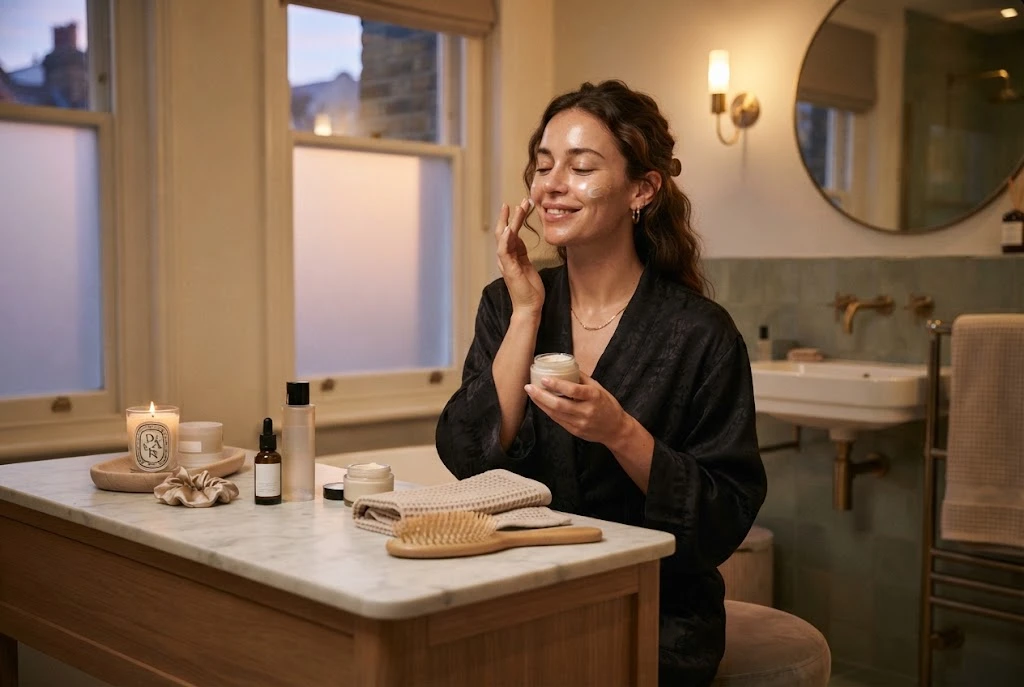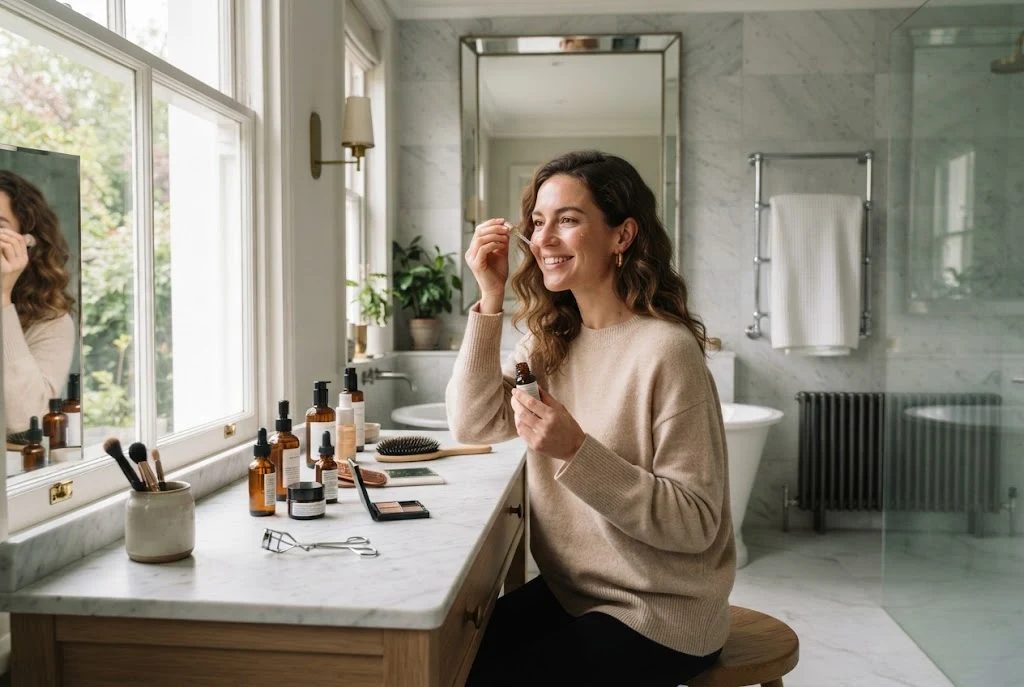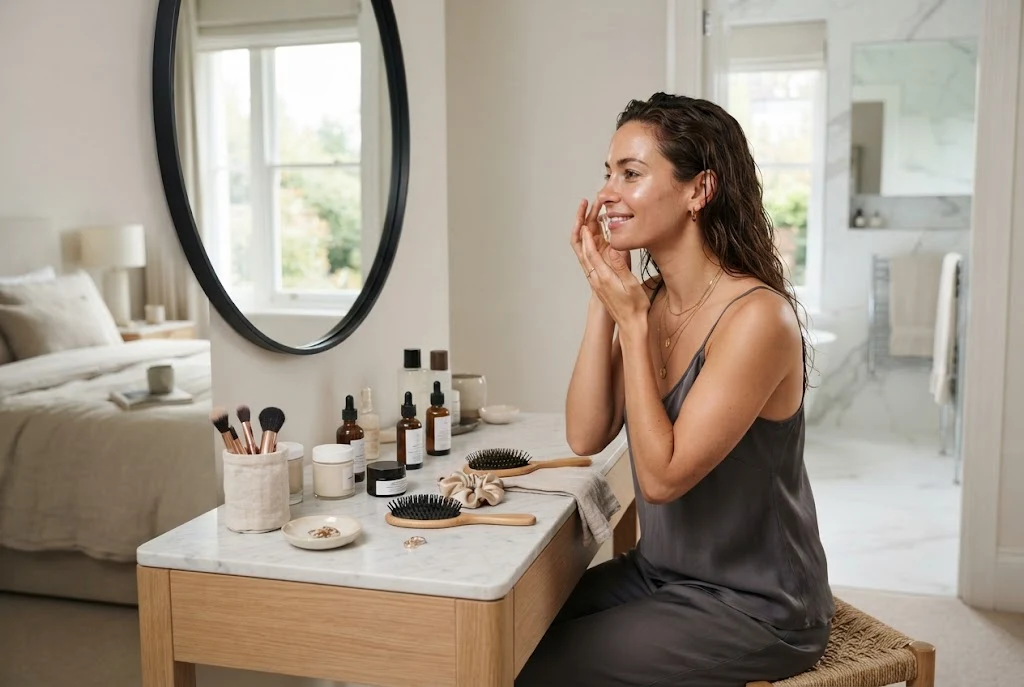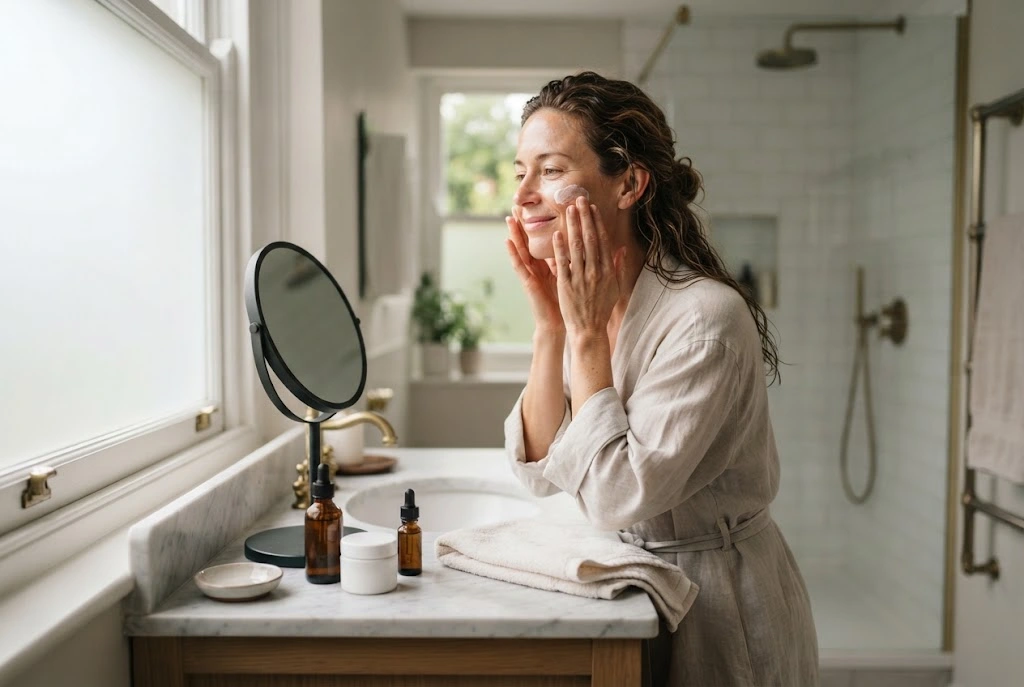
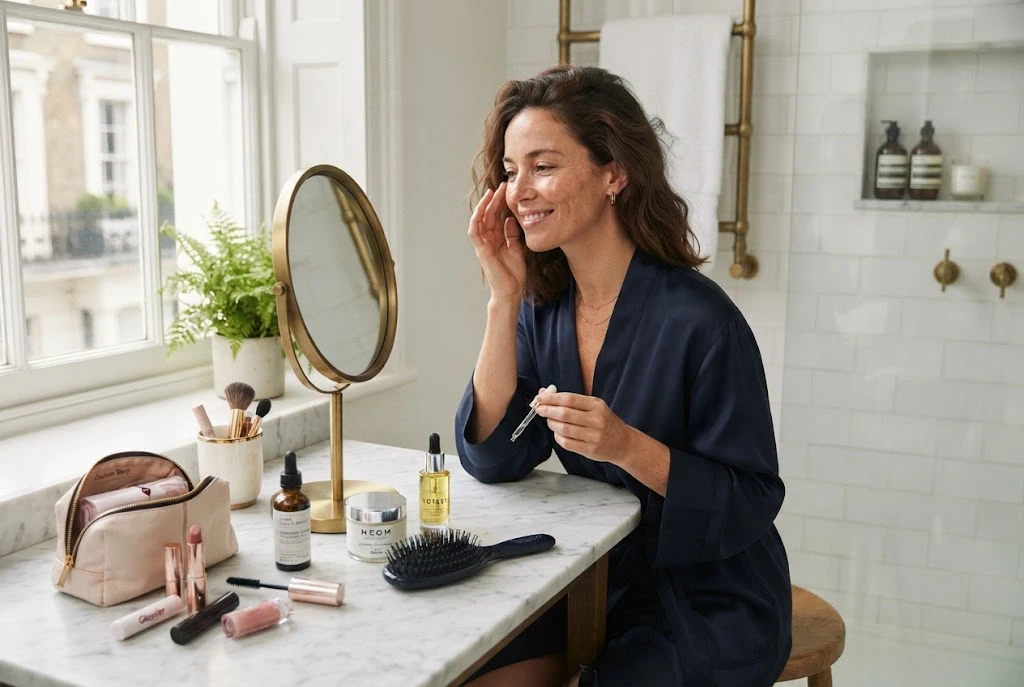
Finding beauty advice that actually fits everyday life can be difficult when trends change constantly and beauty routines seem to become more complicated. The best beauty tips UK readers can use are often the simplest ones: understand what your skin and hair need, build consistent habits, choose suitable products and avoid doing more than necessary. Whether you are new to beauty or simply want a more practical routine, small improvements can make your everyday approach easier and more effective.
This guide brings together practical beauty advice for women and beginners, covering skincare, hair care, makeup, personal care and habits that can support a polished appearance without requiring an elaborate routine.
Why Simple Beauty Tips Often Work Best
Beauty does not have to mean using a large collection of products or following a complicated routine. A manageable approach is easier to maintain, and consistency usually matters more than constantly changing products.
Start by identifying the areas you actually want to improve. You may want to make your skin feel more comfortable, keep your hair manageable, improve your everyday makeup routine or simply look more polished before work. Once your priorities are clear, you can build a routine around them rather than buying products because they happen to be popular.
A useful starting point is to focus on cleansing, moisturising, sun protection, hair care and basic grooming. From there, you can add products or steps when there is a genuine reason to do so.
Beauty Tips UK Readers Can Use Every Day
1. Keep Your Skincare Routine Consistent
One of the most practical beauty habits is maintaining a consistent skincare routine. Instead of switching between different products every few days, give your routine time to become a normal part of your day.
A straightforward routine can include gentle cleansing, moisturising and appropriate sun protection. If you are dealing with persistent acne, irritation or another skin concern, avoid treating it purely as a cosmetic problem and consider seeking advice from a qualified healthcare professional.
For a deeper look at product selection and daily skin habits, the next article in this cluster will cover skincare tips in more detail.
2. Protect Your Skin From Excessive Sun Exposure
Sun protection is an important part of everyday beauty because repeated ultraviolet exposure can contribute to premature skin ageing as well as skin damage. Your approach should reflect the conditions you are exposed to, including sunny days, outdoor activities and travel.
When appropriate, use sunscreen on exposed skin and combine it with practical measures such as shade, suitable clothing and sunglasses. The NHS provides detailed guidance on sunscreen and sun safety for additional information.
3. Avoid Overcomplicating Your Product Collection
More products do not automatically produce better results. In fact, introducing too many new products at once can make it difficult to understand what works for you.
Keep your everyday essentials organised and introduce new products gradually. This is particularly useful for beginners who may otherwise end up following several different routines at the same time.
4. Pay Attention to Your Hair
Healthy-looking hair can make a significant difference to your overall appearance. You do not necessarily need an elaborate styling routine. Regular washing appropriate to your hair type, gentle handling, suitable conditioning and sensible heat styling can provide a strong foundation.
Try to avoid treating every hair trend as a requirement. Hair texture, thickness, colour treatment and styling habits all affect what works best. A practical routine should fit your own hair rather than copying someone else’s routine exactly.
5. Keep Makeup Fresh and Appropriate for the Occasion
Everyday makeup does not need to be heavy. A simple base, neatly defined brows, mascara, a little colour and a suitable lip product can create a polished look when that is what you want.
The key is to match makeup with the occasion. A routine for work may be different from one for an evening event, while some days may require nothing more than moisturiser and lip balm.
6. Never Forget Basic Personal Grooming
Small grooming details often have more impact than complicated beauty treatments. Clean nails, tidy hair, moisturised hands, fresh breath and well-maintained brows can contribute to a neat overall appearance.
These habits are also easy to incorporate into a normal schedule, making them particularly useful daily beauty routine essentials.
Simple Beauty Tips for Different Parts of Your Routine
Start With a Practical Morning Routine
Mornings are often busy, so your beauty routine should be efficient. Prepare the products you use most often and keep unnecessary steps out of the routine.
A basic morning approach might involve cleansing or refreshing the skin, moisturising, applying appropriate sun protection and completing simple hair and makeup steps. For a more detailed guide, see our upcoming morning beauty routine article.
Give Your Evening Routine a Different Purpose
Evening is a useful time to remove makeup, cleanse the skin and prepare for rest. Rather than adding numerous treatments, concentrate on removing the day’s products and maintaining comfortable, well-moisturised skin.
A dedicated evening beauty routine can make this process easier because it separates nighttime care from the faster pace of the morning.
Beauty Tips for Beginners
If you are new to beauty, begin with a small number of reliable habits. You do not need to purchase an entire collection immediately.
- Understand your basic skin and hair needs.
- Build one manageable routine before adding extra steps.
- Introduce new products gradually.
- Read product instructions rather than assuming more is better.
- Keep makeup tools and personal items clean.
- Pay attention to irritation or unexpected reactions.
- Use products that suit your individual needs rather than copying trends.
Beginners can also benefit from keeping a simple record of products they use. If your skin or hair changes, you will have a better idea of which products or habits may have contributed.
Practical Beauty Advice for a Busy UK Lifestyle
Beauty routines need to work around real schedules. Work, commuting, family responsibilities, changing weather and social plans can all affect how much time you have available.
Instead of creating a routine that requires an hour every morning, identify the few steps that make the biggest difference to you. Keep everyday products together, prepare items before busy mornings and reserve longer treatments for occasions when you actually have time.
The UK climate can also make routines feel different throughout the year. Cold or windy weather may leave some people wanting a richer moisturiser, while warmer periods may make lighter textures more comfortable. Your routine can change with your circumstances without needing to change completely every season.
Beauty Habits Worth Keeping Long Term
The most useful beauty advice is usually based on habits rather than short-lived trends. Protecting your skin, caring for your hair, removing makeup properly, maintaining personal hygiene and getting adequate rest can all contribute to a well-maintained appearance.
It is also worth remembering that beauty products cannot solve every skin or hair problem. Persistent or concerning changes deserve appropriate professional attention. The British Association of Dermatologists provides patient information on a wide range of skin conditions and treatments, making its resources a useful place to learn more about specific dermatological concerns.
Common Beauty Mistakes to Avoid
Some beauty problems come from doing too much rather than too little. Common mistakes include frequently changing products, aggressively scrubbing the skin, ignoring product instructions, sleeping in makeup and using unsuitable products simply because they are trending.
Another mistake is comparing your routine with someone else’s. Different skin types, hair textures, lifestyles and personal preferences mean that a routine that works well for one person may not be appropriate for another.
Keep your routine personal, practical and adaptable. If something consistently causes discomfort or irritation, stop using it and seek suitable advice where necessary.
How to Build Your Own Beauty Routine
A useful way to create a routine is to divide your needs into three groups: essentials, occasional care and optional extras.
Essentials are the habits you want to maintain regularly, such as basic skincare, hair care and personal grooming.
Occasional care can include activities such as hair treatments, nail care or other treatments that do not need to happen every day.
Optional extras are products or techniques you enjoy but do not necessarily need. Keeping these separate prevents your basic routine from becoming unnecessarily complicated.
As your needs change, you can adjust individual parts of the routine without starting again from scratch.
Final Thoughts on Beauty Tips UK
The most effective beauty tips UK readers can follow are practical, consistent and suited to everyday life. You do not need to follow every trend or maintain a complicated collection of products to look after yourself well.
Start with the fundamentals: understand your skin and hair, maintain sensible personal grooming, protect exposed skin when appropriate, keep your routine consistent and choose products based on your actual needs. From there, you can gradually develop a personalised approach that works with your lifestyle.
Beauty should make everyday life easier rather than more stressful. A simple routine that you can maintain consistently is often far more useful than an elaborate routine that you rarely have time to follow.