A car oil and filter change is one of the most important maintenance tasks for keeping an engine running efficiently. Although modern vehicles are designed to be highly reliable, engine oil naturally degrades over time and loses its ability to protect vital components.
Regular oil and filter replacement helps reduce wear, improve engine performance, maintain fuel efficiency, and support long-term reliability. Despite its importance, many drivers delay this routine maintenance until warning signs begin to appear.
This guide explains why oil changes matter, when they should be performed, and how they fit into a complete vehicle servicing schedule.
What Does Engine Oil Do?
Engine oil performs several critical functions inside a vehicle’s engine.
Its primary role is to lubricate moving parts, reducing friction between metal components. Without adequate lubrication, excessive wear can occur, potentially leading to serious engine damage.
Engine oil also helps:
- Reduce engine wear
- Control operating temperatures
- Prevent corrosion
- Remove contaminants
- Improve overall engine efficiency
As oil ages, its protective qualities gradually decline, making replacement essential.
What Does an Oil Filter Do?
The oil filter works alongside the engine oil by trapping dirt, metal particles, and other contaminants that accumulate during normal engine operation.
Over time, the filter becomes less effective as debris builds up inside it.
This is why mechanics typically replace both the engine oil and oil filter during the same service appointment.
How Often Should a Car Oil and Filter Change Be Carried Out?
The recommended interval varies depending on the vehicle manufacturer, engine type, driving habits, and oil specification used.
Many modern vehicles require oil changes every 10,000 to 15,000 miles or annually, although some vehicles may require more frequent maintenance.
Drivers who regularly make short journeys, drive in heavy traffic, tow trailers, or operate under demanding conditions may benefit from shorter service intervals.
Always consult the manufacturer’s maintenance schedule for vehicle-specific recommendations.
Signs Your Vehicle May Need an Oil Change
Engine Warning Light
Many modern vehicles monitor oil condition and may display a service or oil warning indicator when maintenance is due.
Dark or Dirty Oil
Fresh oil is generally clear or amber in colour. As it collects contaminants, it becomes darker and less effective.
Increased Engine Noise
Old oil may not provide adequate lubrication, resulting in increased mechanical noise.
Reduced Fuel Efficiency
Insufficient lubrication can increase engine workload and negatively affect fuel economy.
Rough Engine Operation
Drivers may notice reduced smoothness or responsiveness when oil quality deteriorates.
What Happens During an Oil and Filter Change?
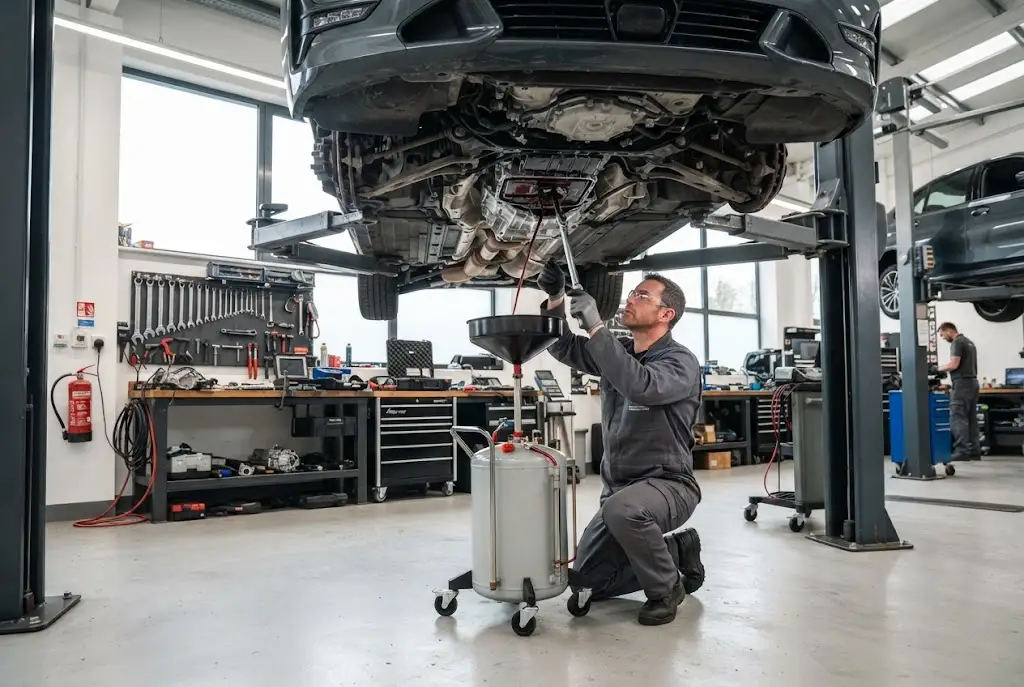
A professional oil service generally involves several steps.
- Draining old engine oil
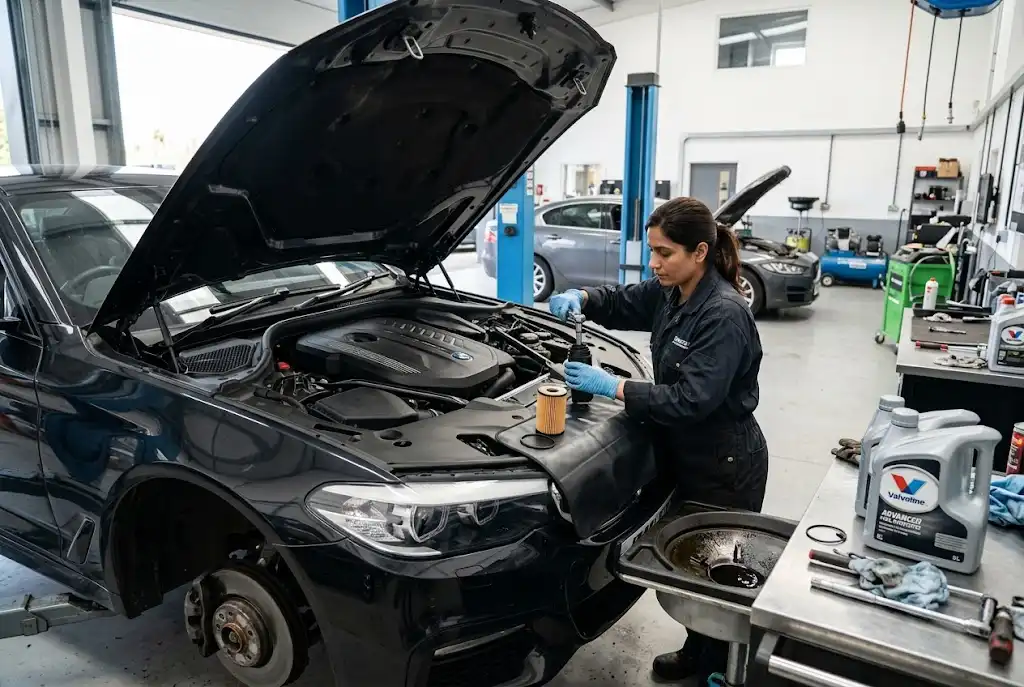
- Removing the used oil filter
- Installing a new oil filter
- Refilling the engine with fresh oil
- Checking fluid levels
- Inspecting for leaks
- Resetting service indicators where necessary
Many garages also perform a visual inspection of key vehicle systems during the appointment.
Is an Oil Change Included in a Full Service?
Yes. In most cases, engine oil and oil filter replacement form a core part of a full vehicle service.
This maintenance task is considered essential because it directly affects engine longevity and performance.
To understand the wider inspection process, see our guide on full service car includes.
How Much Does a Car Oil and Filter Change Cost?
The cost depends on several factors, including vehicle type, oil specification, engine size, and labour rates.
Small vehicles using standard oil generally cost less than larger vehicles requiring specialist synthetic lubricants.
Many garages offer oil change services as part of broader maintenance packages.
If you’re budgeting for routine maintenance, our article on vehicle service price explains how servicing costs are structured.
Can Mobile Mechanics Perform Oil Changes?
Yes. Oil and filter replacement is one of the most commonly requested mobile mechanic services.
Many technicians can perform the work at your home or workplace, offering a convenient alternative to visiting a garage.
Drivers interested in at-home servicing can learn more through our guide on AA mobile mechanic services.
Benefits of Regular Oil and Filter Changes
Extended Engine Life
Proper lubrication helps minimise wear on critical engine components.
Improved Performance
Fresh oil helps engines operate more efficiently and smoothly.
Better Fuel Economy
Reduced friction can contribute to improved fuel efficiency.
Lower Long-Term Repair Costs
Preventative maintenance is often far less expensive than major engine repairs.
Improved Reliability
Routine maintenance reduces the risk of unexpected breakdowns.
Oil Changes and Annual Servicing
Although oil replacement is important, it should not be viewed as a substitute for a complete vehicle service.
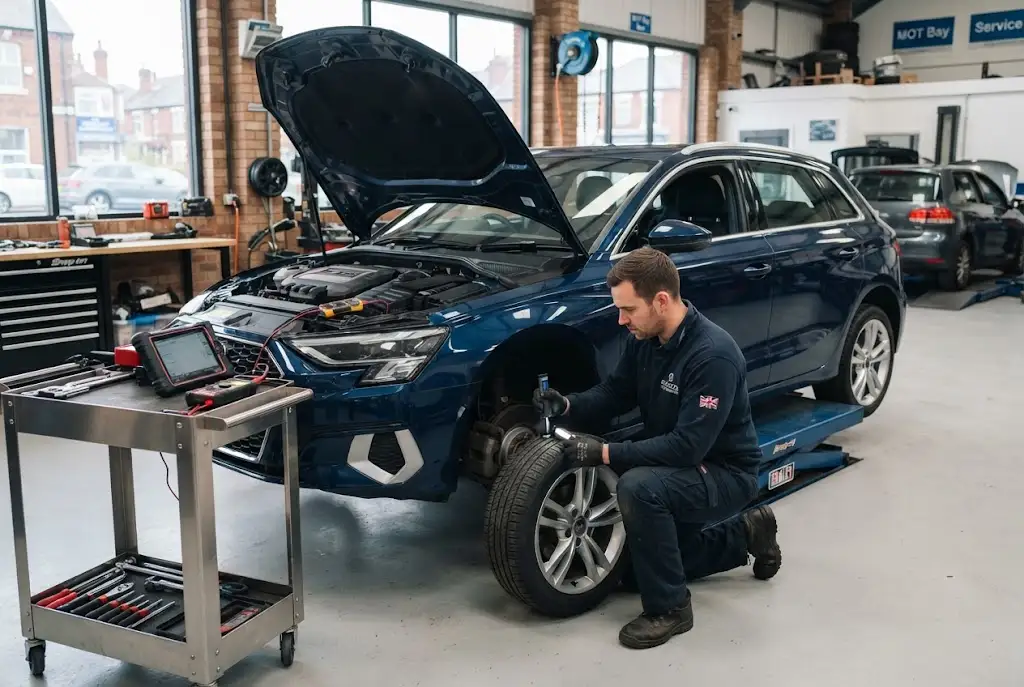
A full service also includes inspections of brakes, tyres, suspension components, batteries, steering systems, and other critical areas.
If you’re comparing maintenance options, our guide on how much is a car service explains the different service levels available.
How Oil Maintenance Supports MOT Readiness
While engine oil condition is not directly assessed during an MOT, regular servicing helps maintain overall vehicle condition and may help identify issues before annual testing.
Many motorists combine routine maintenance with MOT preparation to keep their vehicles in good condition throughout the year.
You can learn more in our article covering how much is MOT and service.
Choosing the Right Oil for Your Vehicle
Modern engines are designed to operate with specific oil grades and specifications.
Using the wrong oil can affect performance and potentially lead to increased wear.
Always follow the manufacturer’s recommendations or seek advice from a qualified technician.
The UK government provides useful vehicle ownership information through the official vehicle ownership resources.
Final Thoughts
A regular car oil and filter change remains one of the simplest and most effective ways to protect your engine. By maintaining proper lubrication and removing harmful contaminants, this routine maintenance helps improve performance, reliability, and engine longevity.
Whether performed as part of a full service or scheduled separately, oil changes should never be overlooked. Consistent maintenance can help reduce long-term ownership costs while keeping your vehicle operating safely and efficiently.
In the realm of automotive maintenance, understanding the interplay between various systems is crucial for ensuring overall vehicle performance and safety. Just as regular oil and filter changes are vital for maintaining engine health, the upkeep of braking systems warrants equal attention. The brakes are one of the most critical safety features in any vehicle, and neglecting their maintenance can lead to catastrophic consequences. By integrating routine oil changes with a comprehensive approach to vehicle servicing, including attention to the service brake system, drivers can enhance not only the longevity of their engines but also their safety on the road. This holistic perspective on car maintenance underscores the importance of timely interventions, ensuring that each component functions optimally and cohesively. Understanding the full spectrum of vehicle care is essential for drivers who wish to prioritize both performance and safety.