
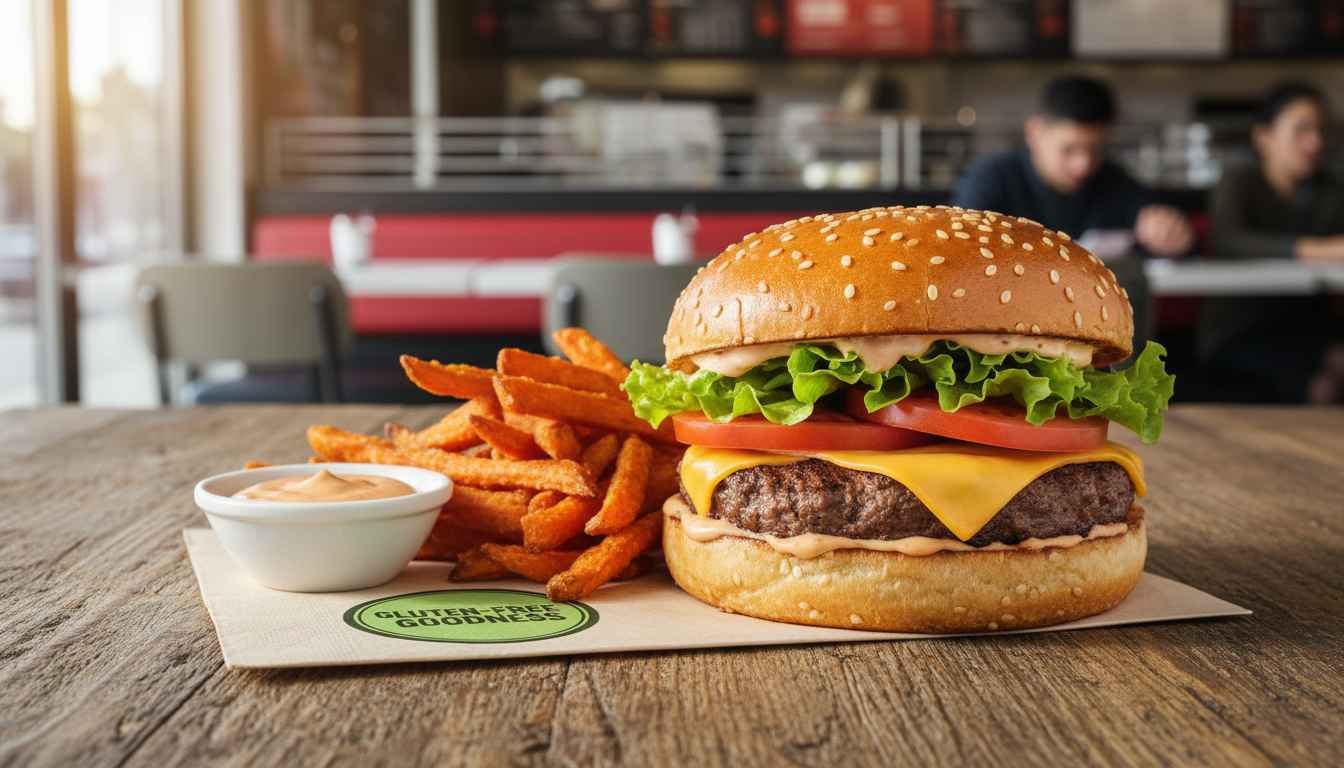
Knowledge is power. For individuals managing celiac disease, fast food has historically been a minefield. Hidden gluten, cross-contamination, and inconsistent labeling make quick dining an intimidating prospect. However, the landscape is shifting as more restaurants embrace gluten-free menus, catering to an audience that demands convenience without compromising health.
Recent surveys indicate a growing demand for celiac-friendly fast food options, with consumers increasingly expecting transparency and safety from food providers. Chains are responding by training staff, redesigning kitchen processes, and clearly labeling gluten-free items. This trend is particularly notable in urban areas where dining out is fast-paced, and the need for dietary accommodations is high. For those exploring this space, Laughing Rooster Eats offers insights and guidance to ensure safe, enjoyable meals.
The Rise of Celiac-Friendly Fast Food
Over the past decade, the prevalence of celiac disease diagnoses has surged, prompting the fast food industry to adapt. Gluten-free buns, tortillas, and sauces are becoming standard offerings. Even fries, once notorious for cross-contact with gluten-laden items, are increasingly prepared in dedicated fryers or through verified cross-contamination protocols.
Industry analysts predict that by 2030, gluten-free menu items could account for 10–15% of the fast food market in North America. Brands that invest in proper training, sourcing, and labeling will likely capture the trust of the celiac community, turning dietary necessity into a strategic advantage.
Checklist: Navigating Celiac Fast Food Safely
- Verify gluten-free certification: Look for official labeling or third-party verification.
- Ask about cross-contact: Ensure that preparation surfaces and utensils are separated.
- Inspect ingredients: Sauces, dressings, and seasoning blends may contain hidden gluten.
- Prioritize dedicated fryers or ovens: Fries and baked items should not be cooked alongside gluten-containing foods.
- Communicate clearly with staff: Notify them about your dietary needs before ordering.
- Download brand allergen menus: Many chains provide updated online resources detailing gluten-free options.
- Start small: Begin with simpler menu items to gauge kitchen safety practices.
Popular Chains Adapting to Celiac Needs
Several fast food chains now actively cater to celiac consumers. While offerings vary, common strategies include gluten-free buns, salads with carefully sourced toppings, and digital allergen guides. Some chains also highlight separate preparation areas or use color-coded tools to minimize cross-contact risks.
Regional and independent fast food brands are also stepping into this niche, often promoting locally sourced, naturally gluten-free ingredients. These establishments may provide more transparency about sourcing and preparation, which is essential for individuals managing celiac disease.
Starting your day with the right breakfast is crucial, especially when following the Atkins diet, which emphasizes low-carb and high-protein foods. With a plethora of options available, it can be challenging to determine which breakfast items align best with your dietary goals. In our latest article, we explore various delicious and satisfying choices that not only adhere to the Atkins principles but also keep your mornings enjoyable. Whether you’re looking for quick ideas or more elaborate recipes, this atkins diet breakfast food list will equip you with the knowledge to kickstart your day with energy and flavor, making your journey towards a healthier lifestyle both effective and delightful.
Potential Drawbacks
While celiac fast food options are expanding, there are limitations to consider. Gluten-free menu items are sometimes priced higher than standard offerings, potentially creating an accessibility barrier. Additionally, cross-contamination risks remain, even in certified establishments, requiring continued vigilance. Nutritional content can also vary, with some gluten-free items containing higher sugar or fat levels to compensate for texture and taste differences.
Another consideration is the inconsistency between locations of the same chain. One restaurant may adhere strictly to gluten-free protocols, while another might fall short, emphasizing the importance of personal verification and clear communication.
Emerging Trends in Gluten-Free Fast Food
The next wave in celiac fast food focuses on innovation and convenience. Plant-based protein options, pre-packaged gluten-free meals, and app-based ordering systems that highlight dietary preferences are gaining traction. These developments make it easier for celiac consumers to access safe, flavorful meals quickly, without sacrificing taste or safety.
Technological integration, such as QR code allergen menus and AI-assisted ingredient scanners, is another emerging trend. These tools allow diners to make informed choices, minimizing the risk of gluten exposure and enhancing confidence in fast food dining experiences.
Who Should Avoid This?
Celiac fast food is not suitable for everyone. Individuals with severe sensitivities or those recovering from recent celiac flare-ups may prefer fully home-prepared meals to avoid any cross-contamination risk. Additionally, people with multiple food allergies must remain cautious, as gluten-free labeling does not always account for other allergens. In cases of extreme dietary restriction, consulting a registered dietitian or healthcare professional before dining out is advised.
Conclusion: The Future of Celiac Fast Food
The trajectory for celiac-friendly fast food is promising but requires careful navigation. Consumers are increasingly educated, demanding transparency, and expecting safe options that do not compromise on taste. Fast food brands that prioritize proper sourcing, training, and clear communication will likely dominate this growing niche.
For individuals managing celiac disease, the key lies in preparation, vigilance, and leveraging available resources. By staying informed and using the checklist above, diners can enjoy the convenience of fast food without compromising health or safety. As the market evolves, celiac fast food options will continue to expand, creating a more inclusive dining environment for all.