
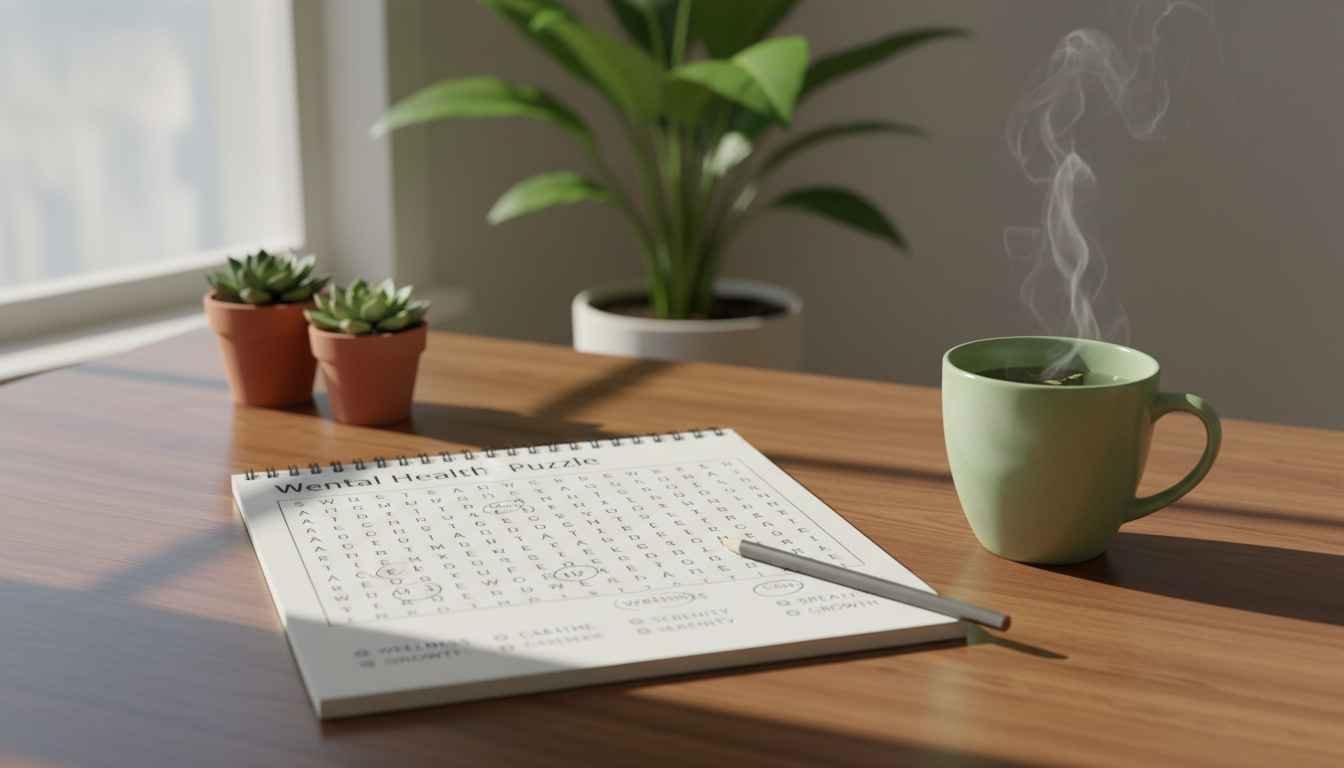
Scientific research shows that engaging in puzzle-solving activities can boost cognitive function, improve mood, and reduce stress levels. One particularly underrated tool in this mental fitness arsenal is the humble word search. Unlike rigorous cognitive tasks, word searches offer a gentle, meditative challenge that encourages focus, mindfulness, and even a sense of accomplishment. For those navigating mental health challenges, integrating this simple exercise into daily life can be surprisingly beneficial, offering small yet consistent boosts to emotional resilience.
Mental health word searches aren’t just about finding letters on a page – they are a form of mental training that promotes calm and clarity. The act of scanning for words demands attention, yet it simultaneously encourages a rhythmic, almost meditative breathing pattern. This subtle form of mindfulness can be likened to the way slow, controlled movements in yoga or tai chi help regulate the nervous system. Moreover, completing a puzzle can spark a dopamine release, reinforcing feelings of achievement and satisfaction, however small they may seem.
For those interested in exploring this mental fitness tool further, Kinda Healthy Recipes provides a rich collection of word searches designed specifically for mental health awareness. These puzzles often include positive affirmations, wellness themes, and self-care prompts, subtly guiding the mind toward optimism and introspection. By integrating word searches into your daily routine, you are not only exercising your brain but also fostering an environment of gentle self-improvement and mindful reflection.
Breaking Down a Mental Health Word Search Routine
1. Setting the Stage
Before diving into a word search, creating a conducive environment can enhance the mental health benefits. Find a quiet, well-lit space free from distractions. Consider calming background music or natural sounds that promote focus. Position yourself comfortably to maintain relaxed posture – tension in the shoulders or neck can distract from the meditative quality of the activity.
2. Choosing the Right Puzzle
Not all word searches are created equal. Beginners may prefer smaller grids with fewer words to prevent frustration. More advanced participants might enjoy larger grids or themed puzzles with complex vocabulary. Mental health word searches often include terms like “resilience,” “gratitude,” or “mindfulness,” reinforcing positive language patterns that subtly influence mood and cognitive framing.
3. Timing Your Sessions
While word searches can be done anytime, scheduling them as part of a morning or evening routine can maximize benefits. A 10–20 minute session can be enough to center your mind, reduce stress, and boost mental clarity. Regularity matters more than duration; consistent daily engagement trains both focus and patience, key components of mental wellness.
4. Mindful Scanning Techniques
Instead of rushing to find every word, approach the puzzle with curiosity and mindfulness. Scan each row slowly, breathe deeply, and allow your eyes to move methodically. This deliberate pacing transforms the exercise from a mere task into a meditative experience, akin to focusing on each stroke in a painting or each step in a mindful walk.
5. Reflection After Completion
After finishing a puzzle, take a moment to reflect. Note the satisfaction of completing a challenge, no matter the difficulty level. Consider journaling thoughts, emotions, or insights that arose during the exercise. This reflection reinforces the cognitive and emotional benefits, creating a feedback loop that encourages consistent engagement.
Recommended Tools
- Printed mental health word search books with wellness-focused themes
- Digital puzzle apps with customizable difficulty levels
- Colored pens or highlighters to track found words
- Comfortable seating and good lighting for prolonged focus
- Mindfulness timer apps to structure brief, focused sessions
Alternative Options
Not everyone prefers word searches, and that’s okay. Crossword puzzles offer a more challenging vocabulary workout, while sudoku can strengthen logical reasoning and pattern recognition. For those with limited time or attention span, mobile apps provide micro-puzzles lasting 2–5 minutes, making it easier to fit mental health exercises into a busy day. Even coloring books or guided meditations can complement word searches, enhancing mindfulness while keeping stress low.
Potential Drawbacks or Who Should Avoid This?
While generally low-risk, word searches may not suit everyone. Individuals prone to obsessive tendencies might find prolonged focus on puzzles anxiety-inducing. Eye strain is also a consideration, particularly with digital puzzles on small screens. It’s important to balance mental exercises with physical activity, social interaction, and other forms of cognitive stimulation. As with any self-care tool, moderation and awareness of personal limits ensure benefits without unintended stress.
Incorporating Word Searches into Broader Mental Health Practices
Mental health word searches are most effective when integrated into a holistic wellness routine. Pair them with regular physical activity, balanced nutrition, and mindfulness practices to enhance cognitive flexibility and emotional stability. Journaling thoughts post-puzzle can deepen self-awareness, while social engagement – such as sharing puzzles with friends or family – can add an enjoyable communal element. Over time, these small, intentional practices collectively reinforce resilience, optimism, and mental clarity.
Conclusion: A Gentle Path to Mental Fitness
In an era of constant stimulation and digital overwhelm, mental health word searches offer a simple, approachable way to cultivate mindfulness, focus, and emotional resilience. They remind us that even small, repetitive acts – like circling letters on a page – can create meaningful shifts in cognitive function and mood. With consistent practice, reflection, and integration into broader wellness routines, these puzzles become more than just games – they are tools for nurturing the mind and fostering long-term mental health. Embrace them as part of your daily ritual, and watch how tiny victories translate into a more centered, balanced, and optimistic life.